
Portfolio Allocation: How Many Properties, How Many Cities?
Diversification across cities and asset classes reduces risk and smooths returns. We share our framework for building a real estate portfolio.
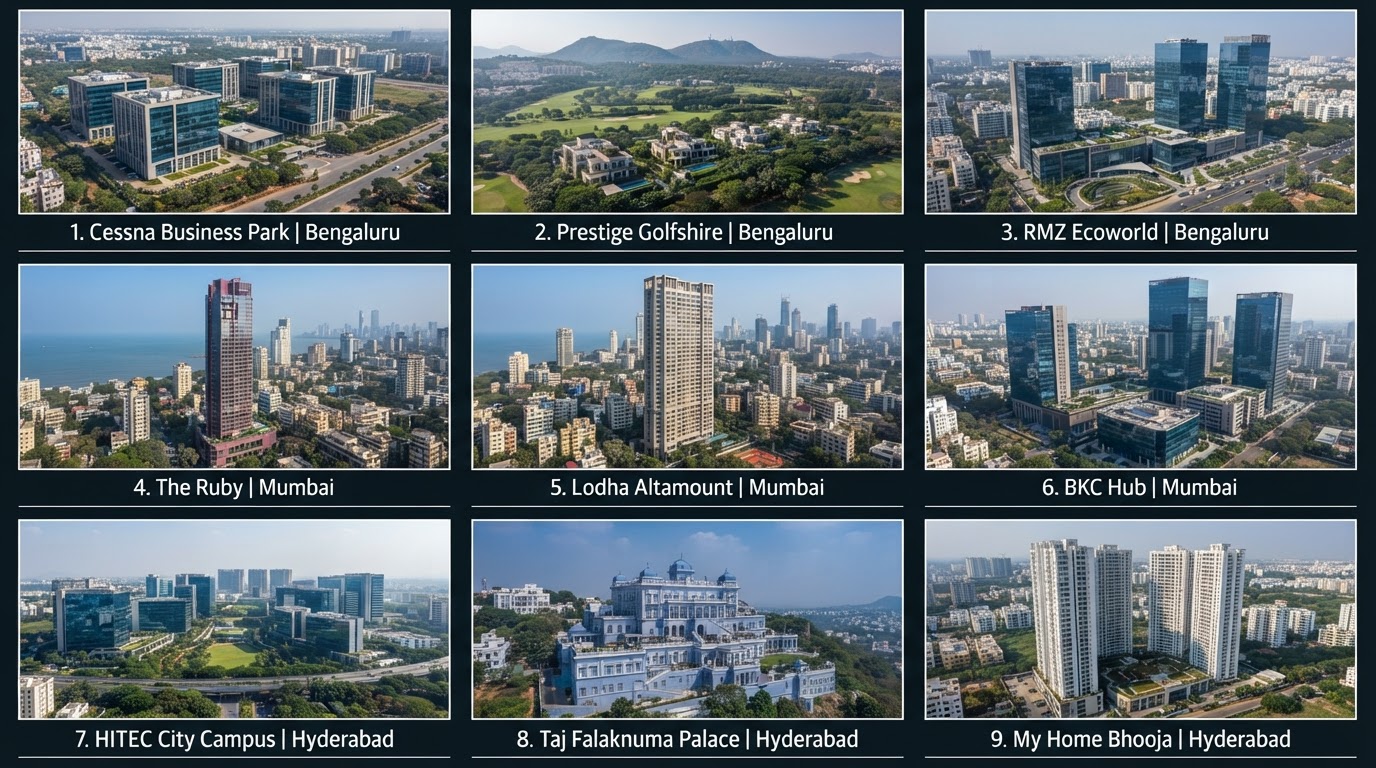
A single property is an investment. A portfolio of properties across cities and asset classes is a strategy. Diversification is the single most effective risk-management tool in real estate, and the allocation framework determines the portfolio's risk-return profile.
Why diversify across cities?
Indian real estate is local. Each city has its own demand drivers, supply dynamics, regulatory environment, and appreciation cycle. A portfolio concentrated in one city is exposed to that city's specific risks — a hiring slowdown, a regulatory change, or an infrastructure delay.
Diversifying across 3–4 cities spreads the risk. If Bengaluru's appreciation slows, Hyderabad's may accelerate. If Mumbai's luxury market plateaus, Pune's mid-market may surge. The correlation between cities is low, making diversification effective.
How many properties?
The optimal portfolio size depends on the investor's capital and management capacity. Our framework:
- ₹1–3 Cr capital: 1–2 properties, 1–2 cities. Focus on quality over diversification. - ₹3–10 Cr capital: 2–4 properties, 2–3 cities. Begin diversifying across micro-markets and asset classes. - ₹10–25 Cr capital: 4–6 properties, 3–4 cities. Full diversification across cities, asset classes, and holding periods. - ₹25 Cr+ capital: 6–10 properties, 4–5 cities. Institutional-grade diversification with dedicated yield and appreciation sleeves.
The city allocation framework:
For a diversified portfolio, we recommend allocation across city tiers:
- 40% tier-1 growth markets (Bengaluru, Hyderabad): Highest appreciation potential, driven by IT employment and infrastructure. - 25% tier-1 stable markets (Mumbai, NCR): Wealth preservation, lower appreciation but strong downside protection. - 20% tier-2 emerging markets (Pune, Ahmedabad, Chennai): Diversification, moderate appreciation, lower entry pricing. - 15% tier-3 / niche markets (Nagpur, Goa, Coimbatore): High-yield or lifestyle allocations.
The asset class allocation:
Within each city, diversify across asset classes: - 60% residential (appreciation-focused, under-construction) - 25% commercial (yield-focused, Grade-A office) - 10% land/plots (long-term appreciation, strategic land banking) - 5% alternative (holiday homes, student housing, REITs)
The holding period stagger:
A well-structured portfolio staggers the holding periods, so exits are spread over time rather than clustered. This creates a natural liquidity pipeline — properties maturing at different times, providing capital for reinvestment.
Our view: portfolio diversification is not about owning many properties — it's about owning the right properties across the right cities and asset classes. A 4-property portfolio across 3 cities, with a mix of residential and commercial, and staggered holding periods, is more effective than a 10-property portfolio concentrated in one city. The key is intentional allocation, not accumulation.
Want these insights delivered before anyone else?
Join our confidential investor briefing — subvention alerts, off-market deals and market intelligence, first.
More from Investment Strategy

How Investor Syndication Unlocks Wholesale Developer Pricing
One investor gets retail pricing. Ten investors syndicated through us get wholesale. Here's the mechanics of bulk-buying power.

REITs vs Physical Property: Where Should the Smart Money Go?
Indian REITs offer liquidity and yield, but physical property offers leverage and appreciation. We compare the two.

How Indian Family Offices Are Allocating to Real Estate in 2026
Family offices are shifting from pure equity to real estate for yield, inflation hedge, and generational wealth. We break down the allocation framework.