
FAQ: Carpet Area vs Built-Up Area vs Super Built-Up Area — What's the Difference?
These three area measurements can differ by 30-40%. Understanding them is critical to knowing what you're actually paying for.
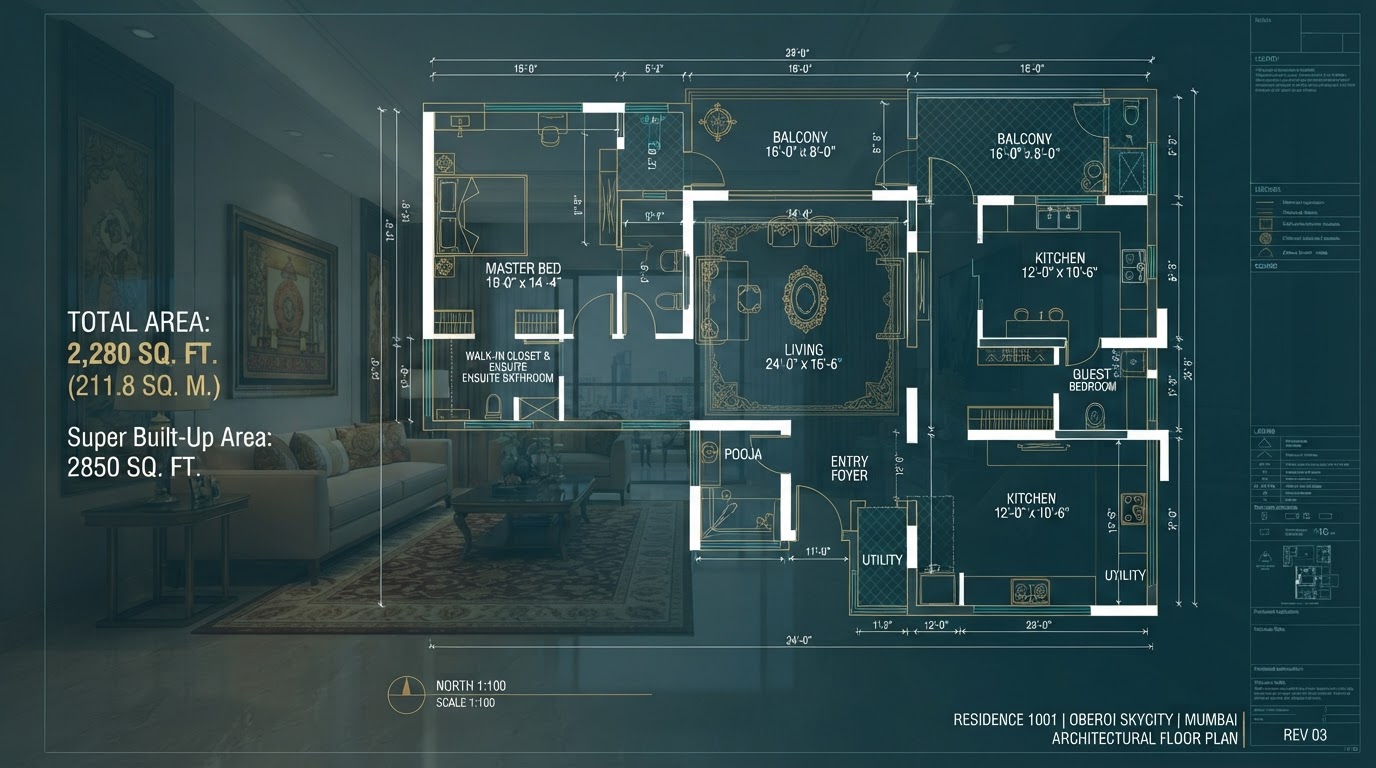
This is one of the most important — and most confusing — concepts in Indian real estate. The price per square foot means very different things depending on which area measurement is being used.
Carpet area is the actual usable floor area of the apartment — the area you can cover with a carpet. It includes the internal walls but excludes balconies, terraces, and common areas. Under RERA, carpet area is the mandatory basis for quoting prices, and it's the number that matters most to the buyer.
Built-up area is the carpet area plus the thickness of the external walls, balcony, and any exclusive terrace. It's typically 10–15% larger than the carpet area.
Super built-up area (also called 'saleable area') is the built-up area plus a proportionate share of the common areas — lobby, staircase, lift shaft, corridor, clubhouse, and other shared amenities. This is the number builders traditionally used to quote prices, and it's typically 25–40% larger than the carpet area.
The difference between carpet area and super built-up area is called the 'loading factor.' A loading of 30% means the super built-up area is 30% larger than the carpet area. A lower loading factor means you get more usable space for the same price.
Under RERA, builders must disclose the carpet area and price per square foot of carpet area. Always compare properties on a carpet-area basis — comparing super built-up prices across projects can be misleading because loading factors vary significantly.
Our rule: ask for the carpet area and the price per carpet-area square foot. That's the only apples-to-apples comparison.
Want these insights delivered before anyone else?
Join our confidential investor briefing — subvention alerts, off-market deals and market intelligence, first.
More from FAQs
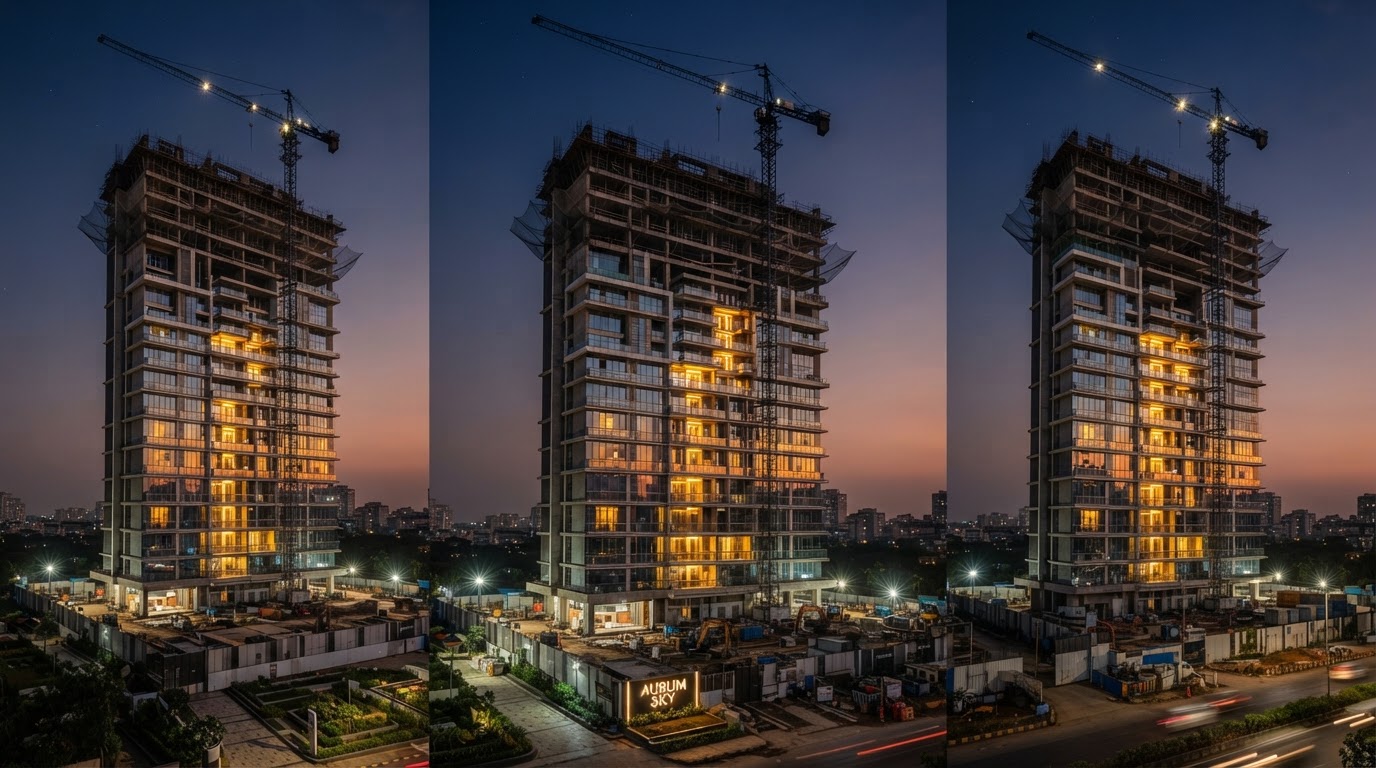
FAQ: What Is Builder Subvention and Is It Safe?
Builder subvention lets you pay a small percentage upfront and the rest at possession with zero interest. We explain how it works and the risks to watch.

FAQ: How Much Down Payment Do I Need for an Under-Construction Property?
Down payment requirements vary by payment plan and builder. We break down the typical percentages and how to minimize your upfront outflow.
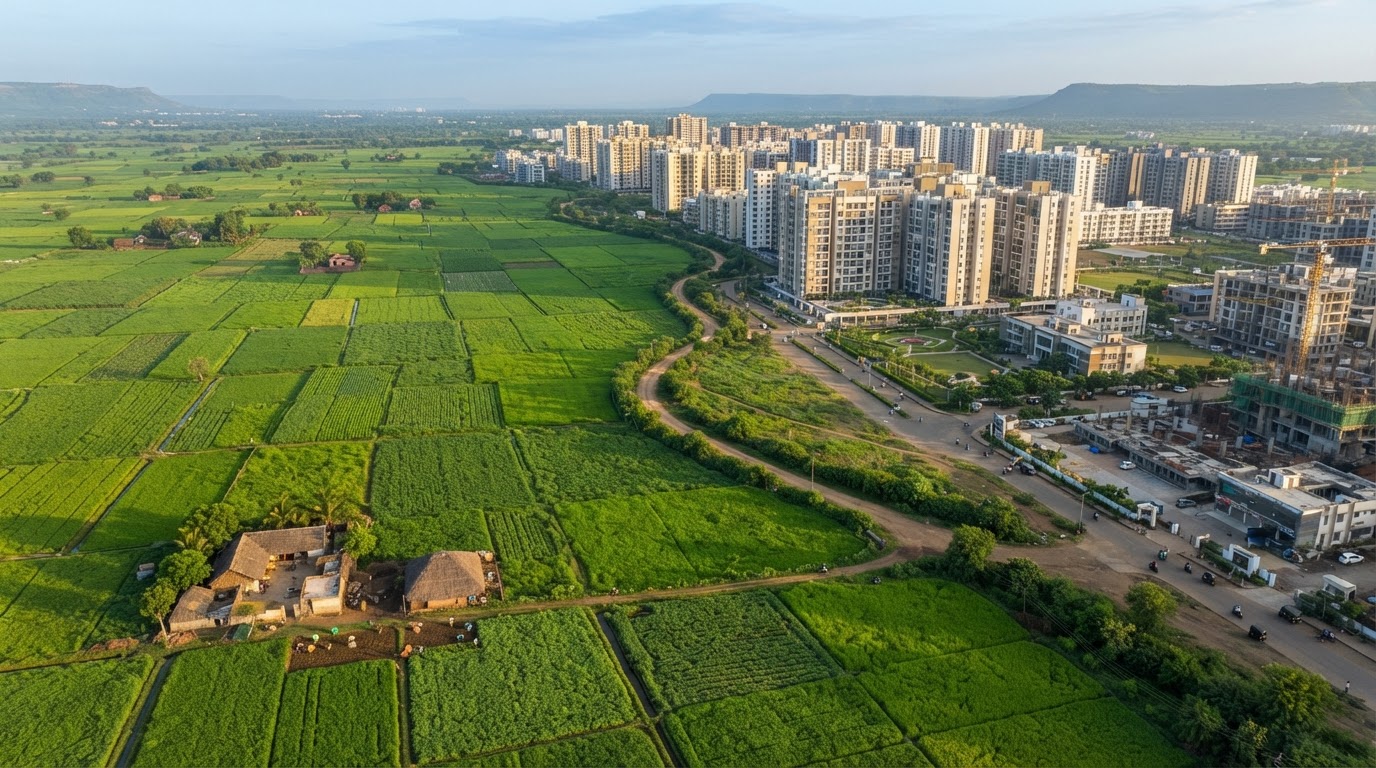
FAQ: Can an NRI Buy Agricultural Land in India?
No. Under FEMA rules, NRIs and OCIs cannot purchase agricultural land, farmhouses, or plantation property in India. Here's what they can buy instead.