
FAQ: How Do I Choose the Right Developer?
The developer's track record is the single biggest predictor of your investment outcome. Here's our 10-point assessment framework.
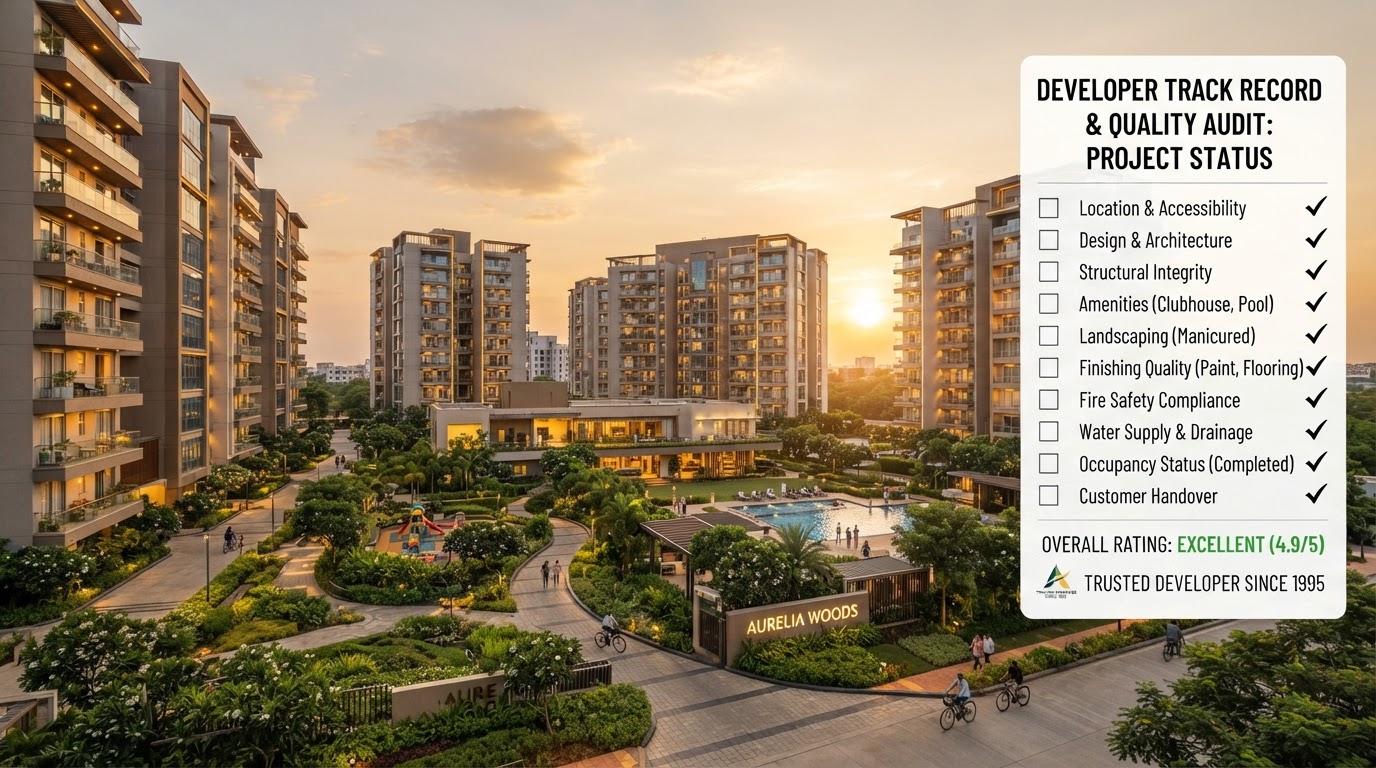
Choosing the right developer is the single most important decision in a real estate investment — more important than the micro-market, the payment plan, or the price. A great project from a bad developer will underperform a mediocre project from a good developer. Here's our 10-point framework for assessing a developer.
1. Delivery track record: How many projects has the developer completed in the last 10 years? What percentage were delivered on time? Ask for specific project names, possession dates, and compare the promised vs actual delivery dates. A developer with a 90%+ on-time delivery rate is significantly lower risk.
2. RERA complaint history: Check the state RERA website for complaints against the developer. A few complaints are normal for a large developer; a high complaint-to-project ratio is a red flag. Check the nature of the complaints — delays, quality issues, or title disputes.
3. Financial health: Is the developer profitable and cash-flow positive? Check the developer's financial statements (available on the MCA portal for registered companies). A developer with high debt and low cash reserves is at risk of delays or project abandonment.
4. Project pipeline: How many projects does the developer have under construction simultaneously? A developer stretched across too many projects may struggle to deliver any of them on time. The sweet spot is a focused pipeline of 5–15 active projects.
5. Quality of completed projects: Visit at least two completed projects by the developer. Talk to residents about construction quality, maintenance, and whether the delivered product matches the promised specifications.
6. Land bank and title clarity: Does the developer have a clean land bank with clear titles? Developers who acquire land through controversial means or with disputed titles carry higher risk.
7. Brand reputation: Check online reviews, media coverage, and industry rankings (like the GRIHA, IGBC, or ET Real Estate awards). A developer with consistent industry recognition is generally more reliable.
8. Regulatory compliance: Does the developer register all projects with RERA? Do they obtain all necessary approvals (environmental, building plan, commencement) before launching? A developer who cuts regulatory corners will cut construction corners too.
9. After-sales service: Does the developer maintain a responsive post-possession service team? Talk to existing residents about how quickly defects are addressed. Good developers offer a 5-year defect liability period and honor it.
10. Transparency: Does the developer provide clear, documented information on pricing, payment schedules, specifications, and approvals? A developer who is evasive or pressures you to book without documentation is a red flag.
Our rule: we maintain a developer rating database that scores every major developer on these 10 parameters. We only recommend developers who score above our minimum threshold — and we share the assessment with our investors so they can see the rationale.
Want these insights delivered before anyone else?
Join our confidential investor briefing — subvention alerts, off-market deals and market intelligence, first.
More from FAQs
FAQ: What Is Builder Subvention and Is It Safe?
Builder subvention lets you pay a small percentage upfront and the rest at possession with zero interest. We explain how it works and the risks to watch.

FAQ: How Much Down Payment Do I Need for an Under-Construction Property?
Down payment requirements vary by payment plan and builder. We break down the typical percentages and how to minimize your upfront outflow.
FAQ: Can an NRI Buy Agricultural Land in India?
No. Under FEMA rules, NRIs and OCIs cannot purchase agricultural land, farmhouses, or plantation property in India. Here's what they can buy instead.