
FAQ: How Does RERA Protect the Property Buyer?
RERA mandates project registration, escrow accounts, and penalties for delay. Here's exactly how the Act protects your investment.
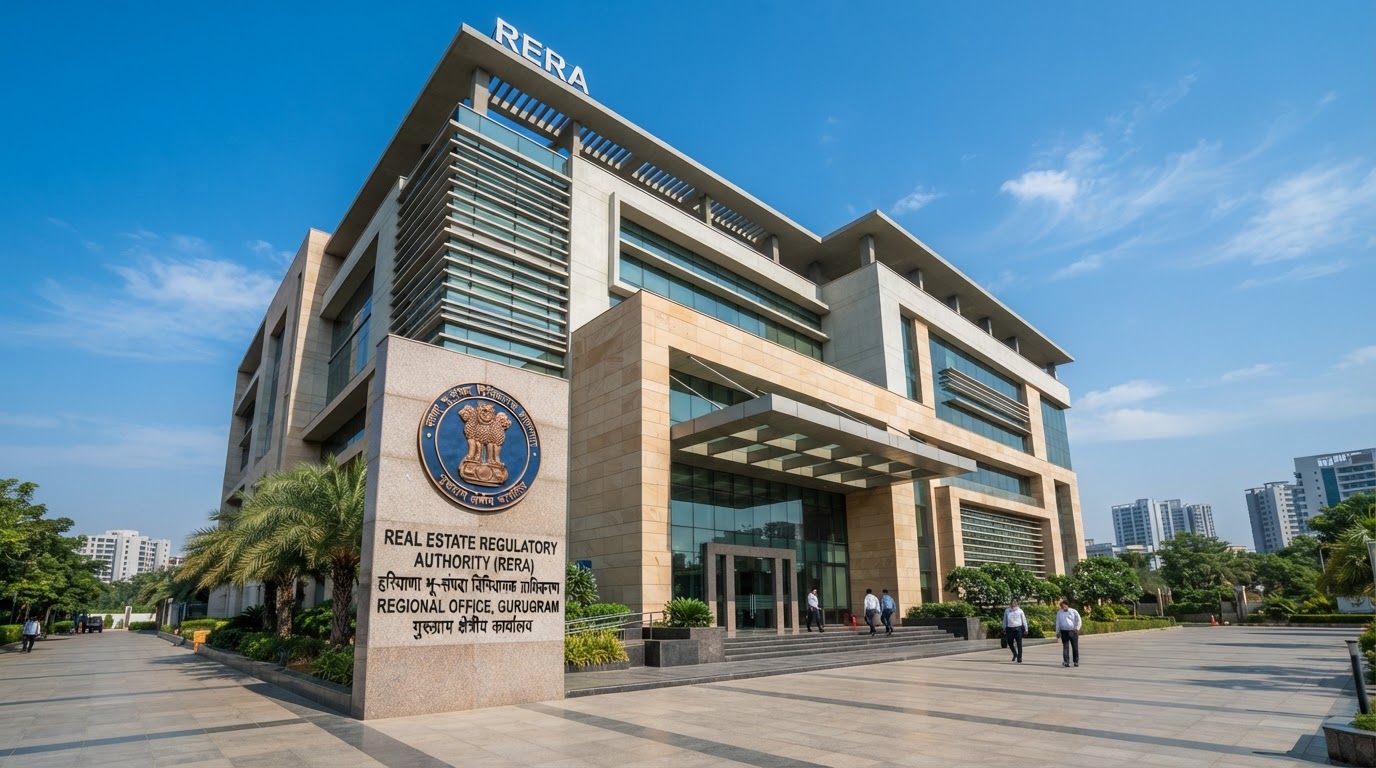
The Real Estate (Regulation and Development) Act, 2016 — commonly known as RERA — was enacted to protect homebuyers and bring transparency to a sector previously known for opacity and delay. Understanding what RERA does (and doesn't do) is essential for any property investor.
Mandatory project registration: Builders must register projects where the land area exceeds 500 square meters or the number of apartments exceeds 8. Unregistered projects cannot be advertised or sold. You can verify a project's RERA registration on the state RERA website.
Escrow accounts: RERA mandates that 70% of the money collected from buyers be deposited in a separate escrow account and used only for that specific project's construction. This prevents builders from diverting buyer funds to other projects or land purchases — the single biggest cause of project delays before RERA.
Penalty for delay: If the builder fails to deliver possession by the date agreed in the sale agreement, they must pay the buyer interest at the rate prescribed by the state RERA (typically 2% above the SBI MCLR) for every month of delay. The buyer can also file a complaint seeking a full refund with interest.
Standardized sale agreement: RERA prescribes a model sale agreement that builders must follow, preventing one-sided contracts that favored developers.
Defect liability: The builder is liable for structural defects for five years after possession and must rectify them at their own cost within 30 days of notification.
What RERA doesn't do: it doesn't guarantee the builder won't go bankrupt, and enforcement varies by state. Maharashtra and Karnataka have the most active RERA authorities; some states are still catching up.
Our rule: never book a project without verifying its RERA registration number and checking the builder's complaint history on the state RERA portal.
Want these insights delivered before anyone else?
Join our confidential investor briefing — subvention alerts, off-market deals and market intelligence, first.
More from FAQs
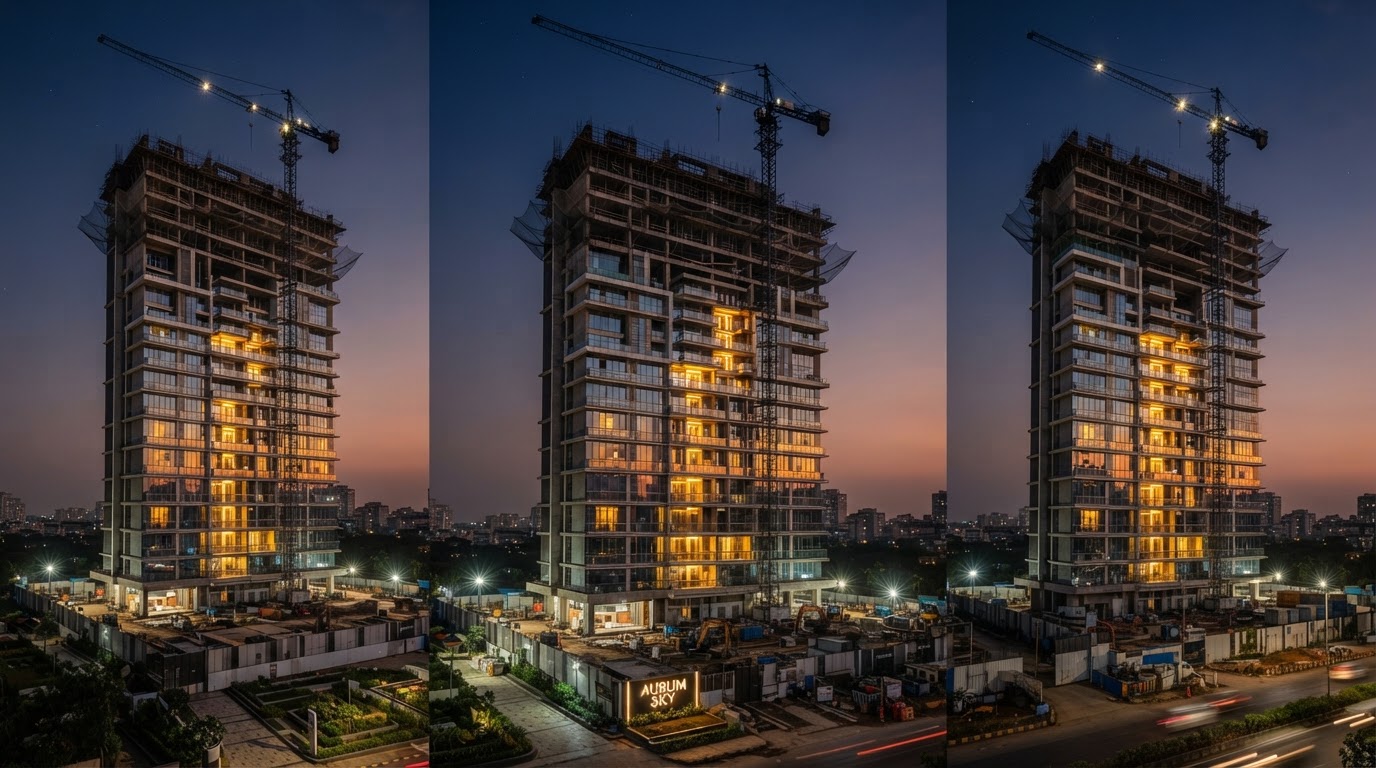
FAQ: What Is Builder Subvention and Is It Safe?
Builder subvention lets you pay a small percentage upfront and the rest at possession with zero interest. We explain how it works and the risks to watch.

FAQ: How Much Down Payment Do I Need for an Under-Construction Property?
Down payment requirements vary by payment plan and builder. We break down the typical percentages and how to minimize your upfront outflow.
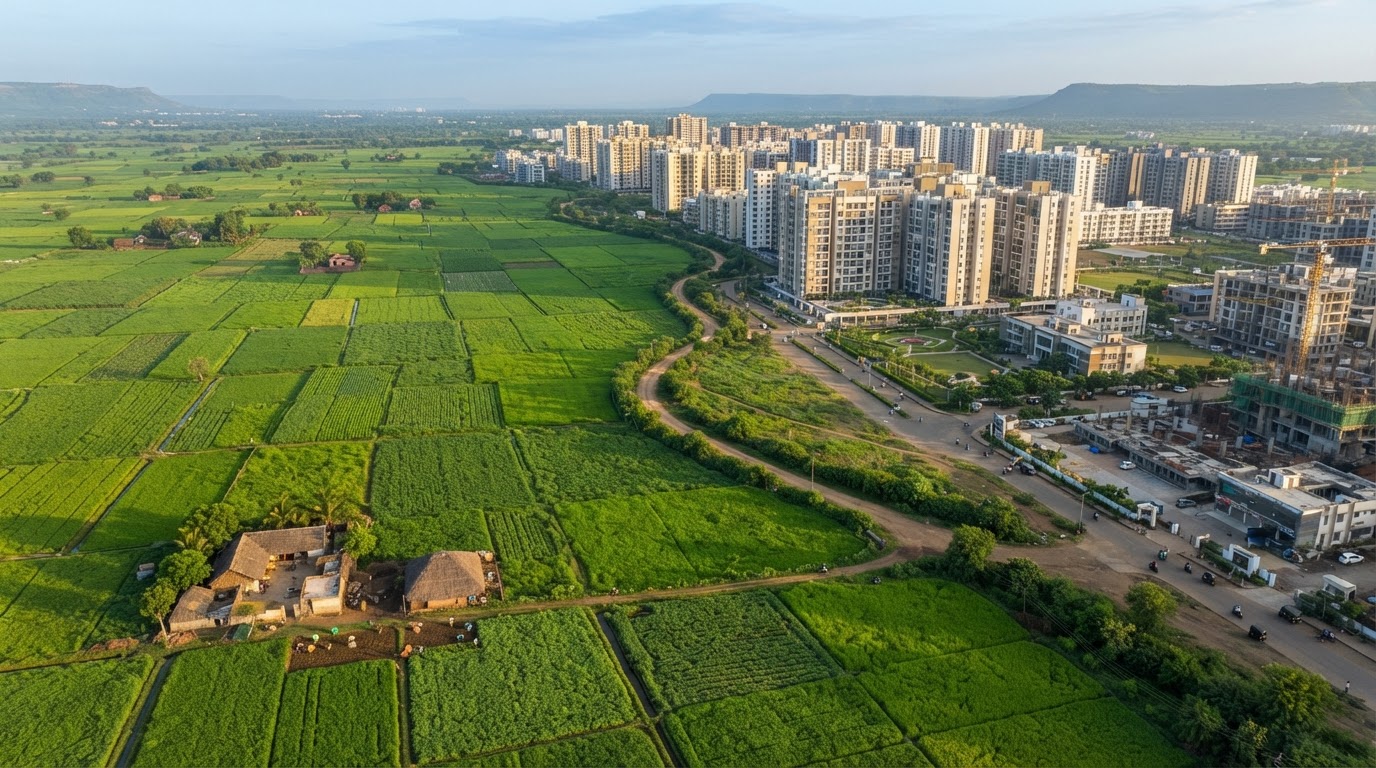
FAQ: Can an NRI Buy Agricultural Land in India?
No. Under FEMA rules, NRIs and OCIs cannot purchase agricultural land, farmhouses, or plantation property in India. Here's what they can buy instead.