
The 'Wait for RERA Approval' Rule: Why It Protects Investors
Booking before RERA registration is risky. We explain why the 'wait for RERA' rule is the single most important investor protection.
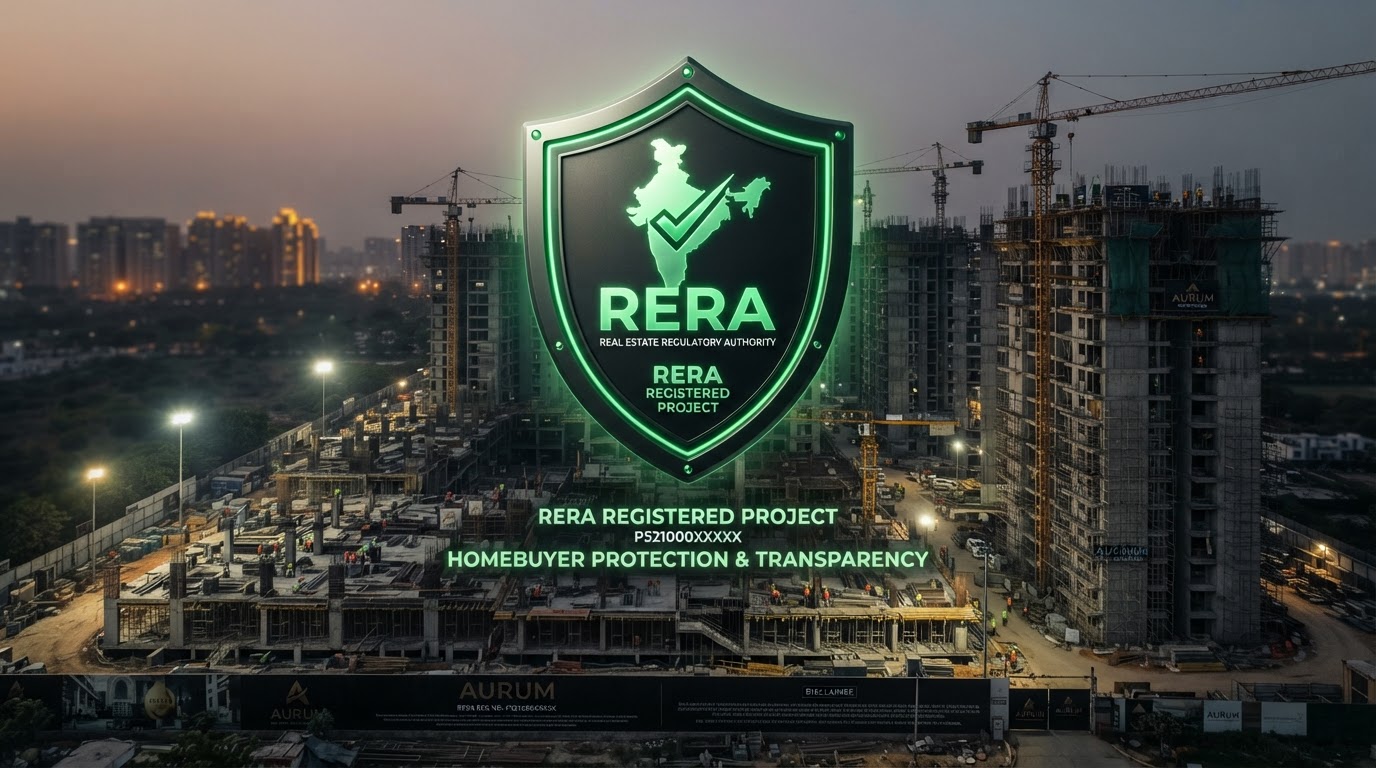
The 'wait for RERA approval' rule is simple: do not book a property until it has a valid RERA registration number. This single rule eliminates the majority of pre-launch investment risks and is the most important protection an investor can apply. Here's why.
What RERA registration confirms:
1. Legal project: The project has been registered with the state RERA authority, confirming that it is a legitimate, approved project.
2. Land title: The RERA filing includes the land title details, which have been reviewed by the RERA authority. This provides a baseline title verification.
3. Approvals: The RERA filing lists the approvals obtained (environmental, municipal, building plan). While not all approvals may be complete at registration, the filed disclosures provide transparency.
4. Timeline: The RERA filing includes the promised possession date, which becomes a legally enforceable commitment. If the developer misses this date, the buyer has RERA recourse.
5. Escrow account: RERA mandates a 70% escrow account for project funds, preventing the developer from diverting buyer money to other projects.
The risks of booking before RERA:
1. No legal recourse: If the project is not RERA-registered, the buyer has no RERA recourse for delays, defects, or disputes. The only option is civil litigation, which is slow and expensive.
2. No escrow protection: Without RERA, there's no escrow requirement. The developer can use the buyer's money for any purpose — including other projects or land purchases.
3. Approval risk: The project may not have the necessary approvals (environmental, building plan). If an approval is denied, the project may be scrapped or significantly delayed.
4. Title risk: Without RERA's title review, the land title is unverified. Title disputes are the most common form of real estate litigation in India.
5. Pricing risk: Pre-RERA pricing is often 'soft launch' pricing, which can be revised (upward) when the project is officially launched with RERA registration. The buyer may end up paying more than expected.
The trade-off:
The argument for booking before RERA is pricing — pre-RERA 'soft launch' pricing is typically 5–10% below the RERA-registered launch price. The buyer gets a discount in exchange for taking on the pre-RERA risk.
Our view: the discount is not worth the risk. The 5–10% pre-RERA discount is small compared to the potential loss from a stalled project, a title dispute, or an approval denial. The 'wait for RERA' rule eliminates these risks for a modest pricing premium.
The exception:
The one exception is a tier-1 developer with an exceptional track record. A developer like Godrej, Brigade, or Tata, with a history of timely RERA registration and project delivery, presents lower pre-RERA risk. Even in this case, we recommend booking only after the developer has confirmed that RERA registration is imminent (filed and pending approval), not when it's uncertain.
Our rule: we never recommend a project that does not have a valid RERA registration number. The 'wait for RERA' rule is non-negotiable. The small pricing premium for RERA-registered inventory is worth the legal protection, the escrow safeguard, and the enforceable timeline. For investors evaluating projects on their own, verify the RERA registration on the state RERA website before booking — if the registration is not active, walk away.
Want these insights delivered before anyone else?
Join our confidential investor briefing — subvention alerts, off-market deals and market intelligence, first.
More from Policy & RERA

RBI Rate Trajectory: What It Means for Home Loan and Property Investors
The RBI's rate path is reshaping borrowing costs and buyer sentiment. Here's how it affects under-construction investment decisions.

RERA Compliance: The Investor's Pre-Purchase Checklist
RERA registration is non-negotiable. We share the 8-point checklist we use to verify RERA compliance before any property purchase.

Transit-Oriented Development: The Next Wave of Indian Real Estate
TOD policy is reshaping Indian cities, allowing higher density development around transit nodes. We analyze the investment opportunity.