
Bengaluru Metro Phase 2: Impact on Property Prices
The Phase 2 expansion adds 100+ km of new metro lines. We analyze which corridors will see the strongest property price re-rating.
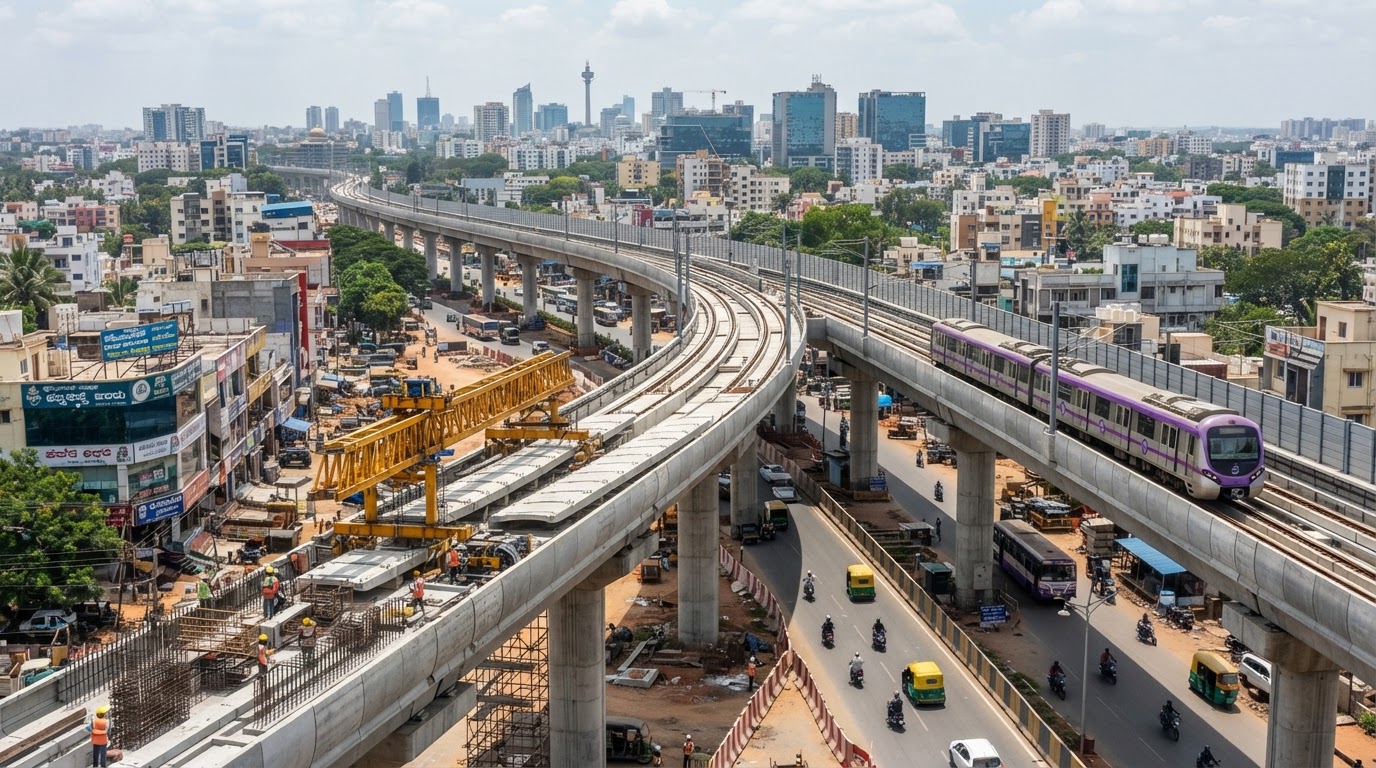
Bengaluru Metro Phase 2 is the largest urban transit expansion in the city's history, adding over 100 km of new lines to the existing 56 km network. For real estate investors, Phase 2 is the single most important infrastructure catalyst for Bengaluru property pricing over the next 5 years.
The Phase 2 network:
Phase 2 extends the existing Purple and Green lines and adds new corridors:
1. Purple Line extension (Whitefield to Kadugodu): Extends the eastern corridor further, supporting the Whitefield and Soukya Road micro-markets.
2. Green Line extension (Yeshwanthpur to Bengaluru International Airport): The airport line, connecting the city to Kempegowda International Airport via Hebbal and Devanahalli. This is the catalyst for the North Bengaluru airport corridor.
3. Blue Line (Central Silk Board to Kempegowda Airport): A new 58 km line connecting the ORR tech corridor to the airport, via KR Puram, Hebbal, and Yelahanka. This is the most impactful line for real estate, as it connects the two highest-demand corridors (ORR and airport).
4. ORR Metro (Silk Board to KR Puram): An elevated line along the Outer Ring Road, connecting the entire tech belt. This will transform the ORR corridor's connectivity.
5. Sarjapur–Attibele extension: Connects the Sarjapur Road micro-market to the ORR and the broader metro network.
The property price impact:
Based on the historical data from Phase 1 (where metro corridors saw 15–30% appreciation in the 2–3 years around operationalization), we project the following impact for Phase 2:
1. ORR corridor (Silk Board to KR Puram): The ORR Metro will directly serve the tech belt, re-rating the already-premium corridor. Expected appreciation: 15–25% around operationalization. The ORR is already built-out, so the impact is on existing inventory and select new launches.
2. North Bengaluru (Hebbal, Yelahanka, Devanahalli): The airport line will transform the airport corridor from peripheral to connected. Expected appreciation: 25–40% over the construction-to-operationalization period. This is the highest-impact corridor, because the entry pricing is the lowest relative to the connectivity gain.
3. Sarjapur Road: The Sarjapur extension will connect the emerging micro-market to the ORR and the metro network. Expected appreciation: 20–35%, concentrated in pre-launch and under-construction inventory along the metro route.
4. Whitefield: The Purple Line extension further strengthens Whitefield's connectivity, supporting the already-strong appreciation thesis. Expected appreciation: 10–15% (the metro is an incremental catalyst on top of the existing demand drivers).
The investment strategy:
The optimal entry is 18–24 months before the metro becomes operational, when pricing has not yet fully priced in the connectivity. The optimal exit is 12–24 months after operationalization, when the appreciation premium has been captured.
For Phase 2, the corridors to position in now (2026) are North Bengaluru (airport line, operationalization 2027–2028) and Sarjapur Road (extension, operationalization 2027–2028). These corridors have the highest appreciation potential relative to current entry pricing.
The risk: timeline. Metro projects in India have seen delays, and the appreciation thesis depends on operationalization. We filter to projects with credible delivery timelines and RERA registration.
Our view: Bengaluru Metro Phase 2 is the most reliable, data-backed pricing catalyst for the city's real estate over the next 5 years. Investors who position in the North Bengaluru and Sarjapur corridors now, before operationalization, can capture a 20–35% appreciation premium driven by the connectivity uplift.
Want these insights delivered before anyone else?
Join our confidential investor briefing — subvention alerts, off-market deals and market intelligence, first.
More from Infrastructure

Mumbai Trans Harbour Link (MTHL): Navi Mumbai Re-Rating
The 22-km sea bridge connecting Mumbai to Navi Mumbai is operational, collapsing commute times and re-rating Navi Mumbai property.
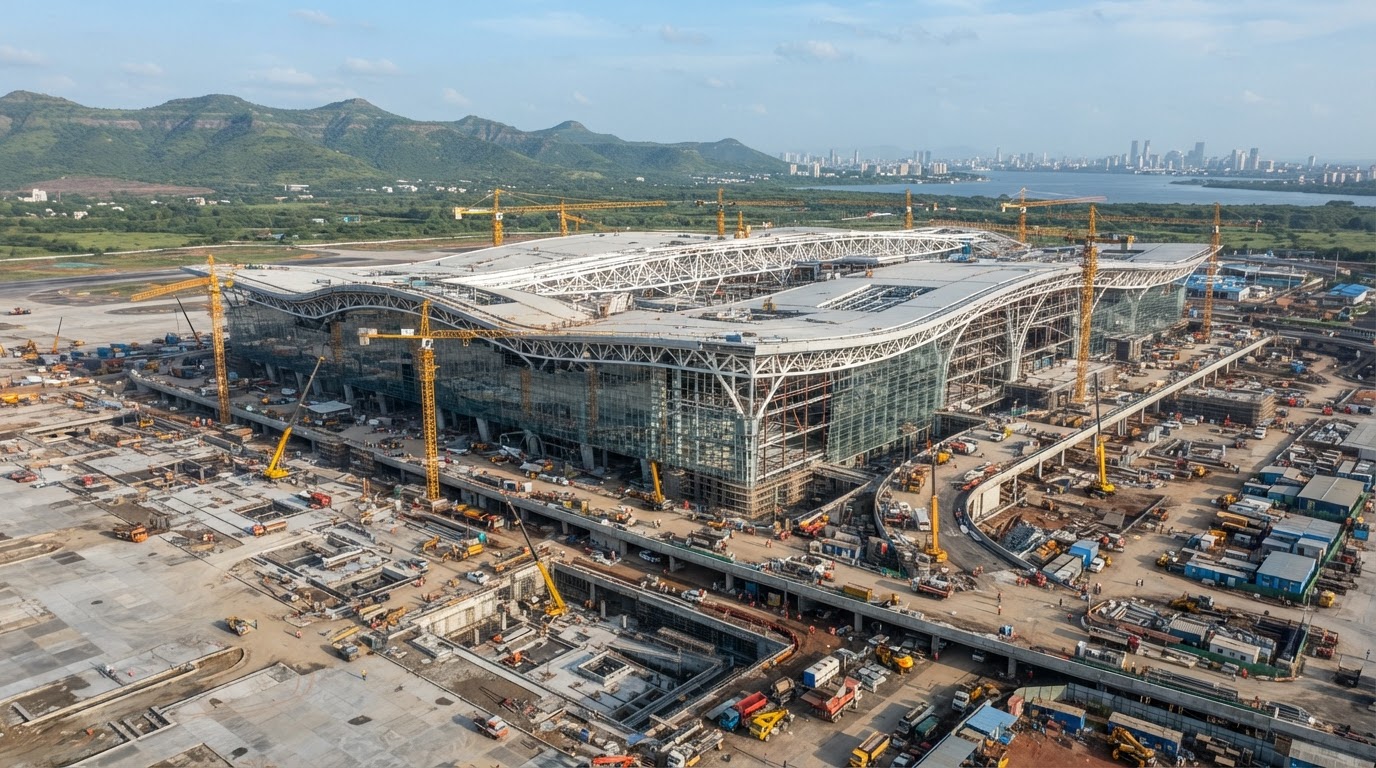
Navi Mumbai International Airport (NMIA): The Investment Thesis
NMIA is India's second greenfield airport in a metro, creating a dual-airport system for Mumbai. We analyze the real estate investment thesis.
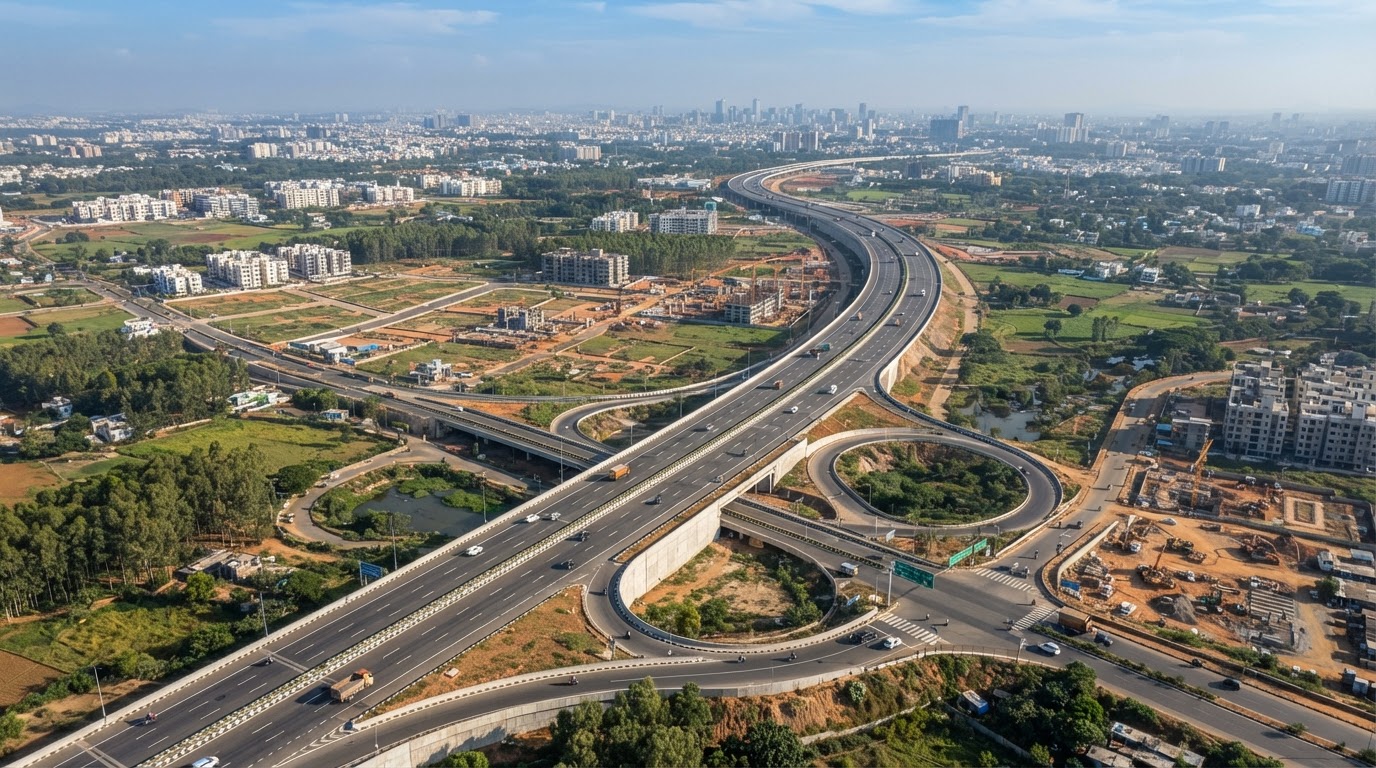
Bengaluru Peripheral Ring Road: Re-Rating the Outer Belt
The proposed 65-km PRR will connect Tumkur Road to Hosur Road, opening up new land for development and creating a new outer corridor.