
Mumbai Trans Harbour Link (MTHL): Navi Mumbai Re-Rating
The 22-km sea bridge connecting Mumbai to Navi Mumbai is operational, collapsing commute times and re-rating Navi Mumbai property.

The Mumbai Trans Harbour Link (MTHL) — the 21.8 km sea bridge connecting Sewri in South Mumbai to Chirle in Navi Mumbai — is the most significant infrastructure project for Navi Mumbai real estate in a generation. Now operational, the MTHL is re-rating Navi Mumbai's investment profile.
The connectivity transformation:
Before the MTHL, the commute from Navi Mumbai (Belapur, Kharghar, Panvel) to South Mumbai (BKC, Lower Parel, Worli) took 90–120 minutes via the Sion-Panvel Highway and the Eastern Freeway. The MTHL reduces this to 20–30 minutes — a transformative change that makes Navi Mumbai viable for South Mumbai executives.
The property price impact:
1. Immediate impact (nodes closest to the MTHL landing): Chirle, Ulwe, and the southern Navi Mumbai nodes have seen the immediate re-rating. Pricing has moved 15–25% in the 12 months around operationalization, as the connectivity gain is priced in.
2. Secondary impact (established nodes): Kharghar, Belapur, and Panvel are seeing a gradual re-rating as the connectivity benefit extends. Expected appreciation: 10–20% over 2–3 years, as the buyer pool expands to include South Mumbai commuters.
3. Airport catalyst (combined): The Navi Mumbai International Airport (NMIA), under construction and expected operational in 2026–27, combined with the MTHL, creates a dual-catalyst thesis for Navi Mumbai. The airport brings employment and economic activity; the MTHL brings connectivity to South Mumbai. Together, they transform Navi Mumbai from a peripheral satellite to a connected, dual-airport city.
The investment thesis:
For investors, the MTHL has already re-rated the immediate nodes (Chirle, Ulwe). The opportunity now is in the secondary nodes (Kharghar, Belapur, Panvel), where the re-rating is still in progress and the entry pricing is more attractive.
Pricing in the secondary nodes: - Kharghar: ₹12,000–18,000/sq ft - Belapur: ₹15,000–22,000/sq ft - Panvel (airport-adjacent): ₹8,000–14,000/sq ft
Expected appreciation: 15–25% over 3–4 years, driven by the MTHL connectivity and the NMIA airport catalyst.
The risk: the MTHL is operational, so the connectivity risk is resolved. The remaining risk is the NMIA airport timeline, which has seen delays. The airport catalyst is the second leg of the thesis, and its delay would moderate (but not eliminate) the appreciation.
Our view: the MTHL has structurally re-rated Navi Mumbai. The immediate nodes have priced in the connectivity; the secondary nodes (Kharghar, Belapur, Panvel) still offer appreciation potential. Combined with the NMIA airport catalyst, Navi Mumbai is one of Mumbai's most compelling investment corridors over the next 3–5 years.
Want these insights delivered before anyone else?
Join our confidential investor briefing — subvention alerts, off-market deals and market intelligence, first.
More from Infrastructure
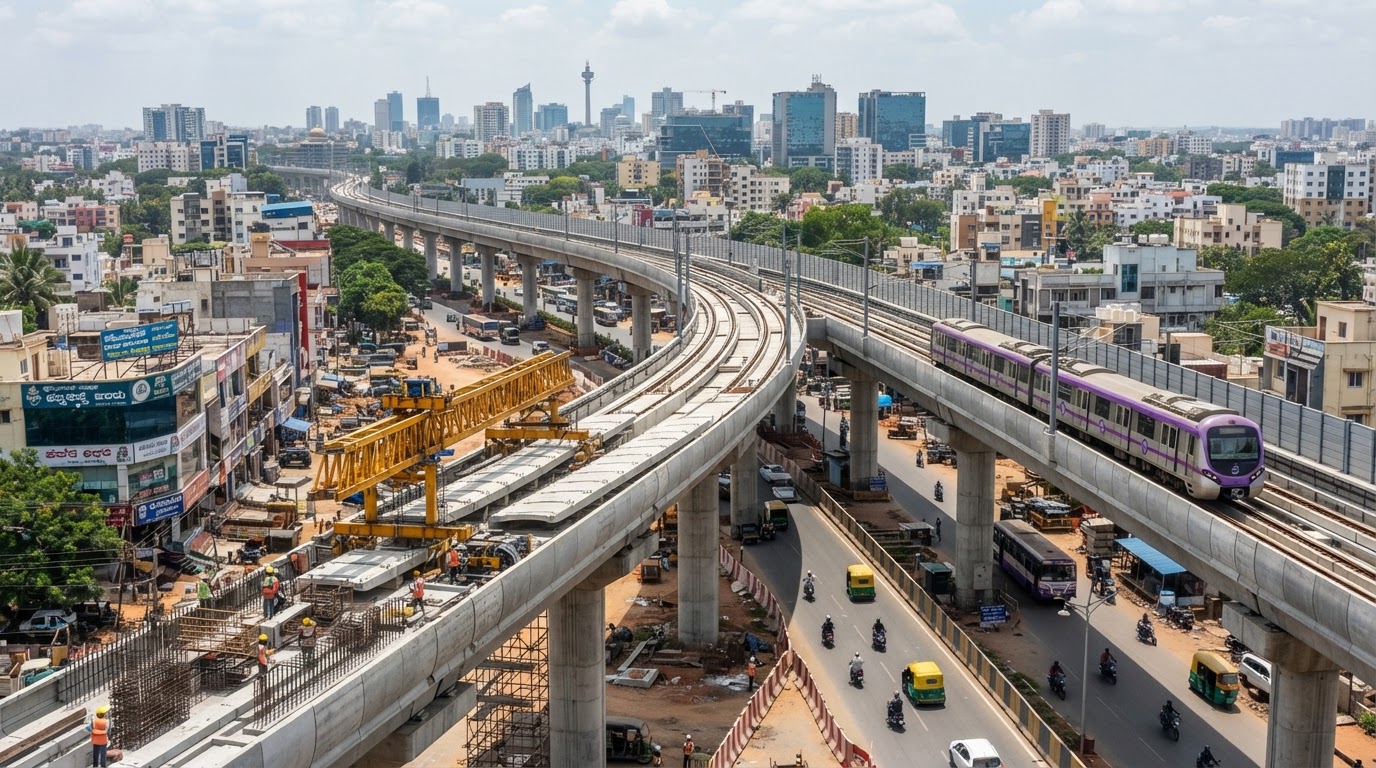
Bengaluru Metro Phase 2: Impact on Property Prices
The Phase 2 expansion adds 100+ km of new metro lines. We analyze which corridors will see the strongest property price re-rating.
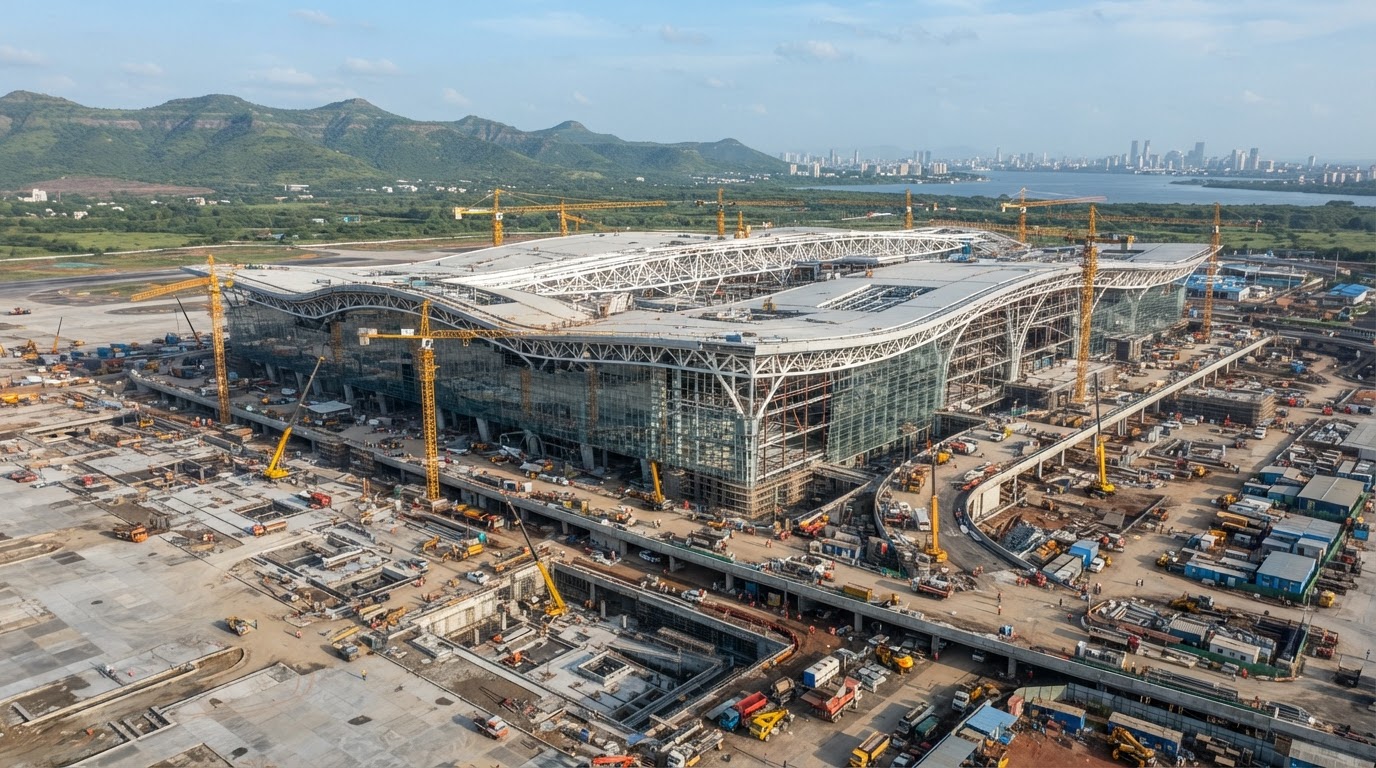
Navi Mumbai International Airport (NMIA): The Investment Thesis
NMIA is India's second greenfield airport in a metro, creating a dual-airport system for Mumbai. We analyze the real estate investment thesis.
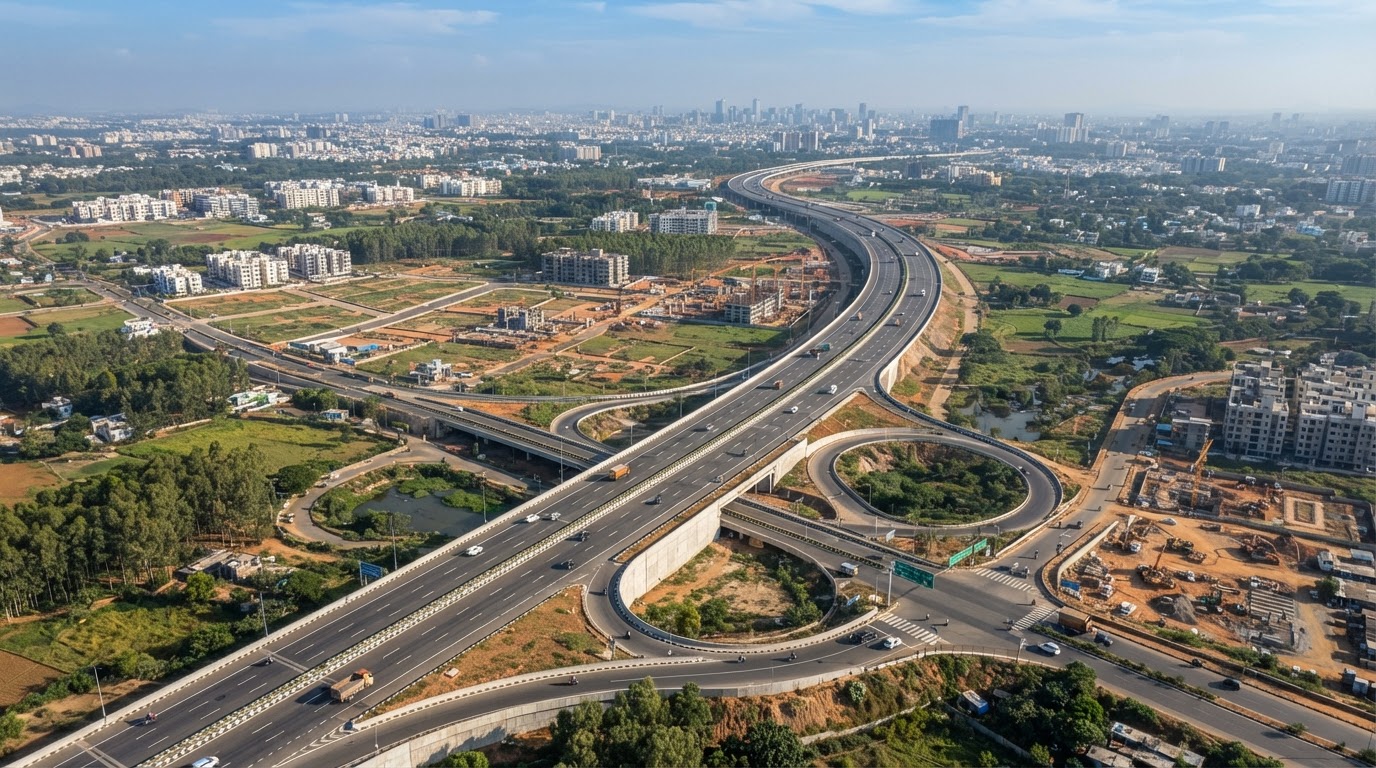
Bengaluru Peripheral Ring Road: Re-Rating the Outer Belt
The proposed 65-km PRR will connect Tumkur Road to Hosur Road, opening up new land for development and creating a new outer corridor.