
Bengaluru Peripheral Ring Road: Re-Rating the Outer Belt
The proposed 65-km PRR will connect Tumkur Road to Hosur Road, opening up new land for development and creating a new outer corridor.
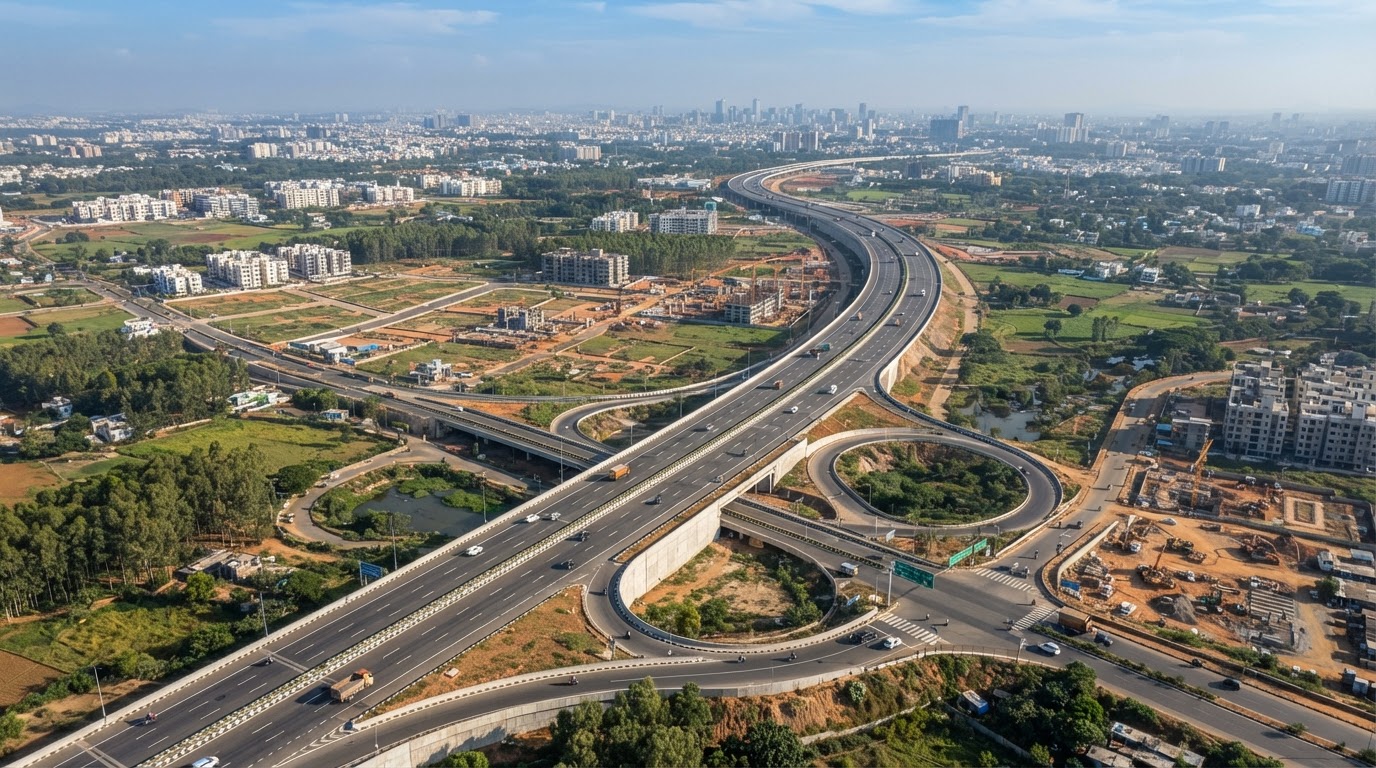
The Bengaluru Peripheral Ring Road (PRR) — a proposed 65-km ring road connecting Tumkur Road to Hosur Road, bypassing the city — is the long-term infrastructure play that will reshape Bengaluru's outer belt over the next decade. For investors with a long horizon, the PRR corridor offers the lowest entry pricing in Bengaluru and the highest long-term appreciation potential.
What the PRR does:
The PRR is an outer bypass that connects the northern and southern industrial corridors (Tumkur Road and Hosur Road) without going through the city. It passes through the outer belt — areas that are currently agricultural or lightly developed — and opens them up for residential and commercial development.
The PRR is designed as a 6-lane access-controlled highway, with a proposed 150-meter right-of-way that includes space for future transit (BRT or metro). The project is in the land acquisition phase, with construction expected to begin in 2026–27 and completion targeted for 2029–30.
The real estate impact:
1. New development corridors: The PRR opens up land that is currently inaccessible or peripheral. The areas along the proposed route — including parts of Doddaballapur, Devanahalli (west), Sarjapur (outer), and Anekal — will become viable for residential development once the PRR is operational.
2. Pricing re-rating: The entry pricing along the proposed PRR route is the lowest in Bengaluru — ₹2,500–5,000/sq ft for residential plots and early-stage projects. Once the PRR is operational, these areas will re-rate as they become connected to the city's employment corridors.
3. Industrial and logistics: The PRR will also support industrial and logistics development, creating employment along the outer belt and supporting residential demand.
The investment thesis:
The PRR is a 7–10 year play. The land acquisition and construction will take 4–5 years, and the appreciation will materialize as the PRR nears completion and becomes operational. This is patient capital — investors who enter now must be prepared to hold for 7–10 years.
The expected appreciation: 50–100% over a 7–10 year hold, for well-located land and early-stage projects along the PRR route. The appreciation percentage is the highest in Bengaluru, because the entry pricing is the lowest.
The risks:
1. Timeline risk: The PRR has been delayed multiple times, primarily due to land acquisition challenges. The timeline is uncertain, and the appreciation thesis depends on the PRR being completed.
2. Land title risk: The outer belt has a higher incidence of title disputes and agricultural land classification issues. Due diligence on land title is critical — this is not a market for casual investment.
3. Liquidity risk: The outer belt is illiquid. Exit options are limited until the PRR is operational and the area develops. This is a long-hold investment.
4. Regulatory risk: Land use conversion (agricultural to residential) is required for development, and the regulatory process can be slow and uncertain.
Our view: the PRR is a legitimate long-term play for investors with patient capital and a high risk tolerance. The entry pricing is the lowest in Bengaluru, and the appreciation potential is the highest. But the risks — timeline, title, liquidity, regulatory — are significant. We recommend the PRR corridor only for investors who can hold for 7–10 years, who have the capacity to do thorough land title due diligence, and who are comfortable with illiquidity. For most investors, the nearer-term corridors (North Bengaluru airport, Sarjapur) offer a better risk-adjusted return.
Want these insights delivered before anyone else?
Join our confidential investor briefing — subvention alerts, off-market deals and market intelligence, first.
More from Infrastructure
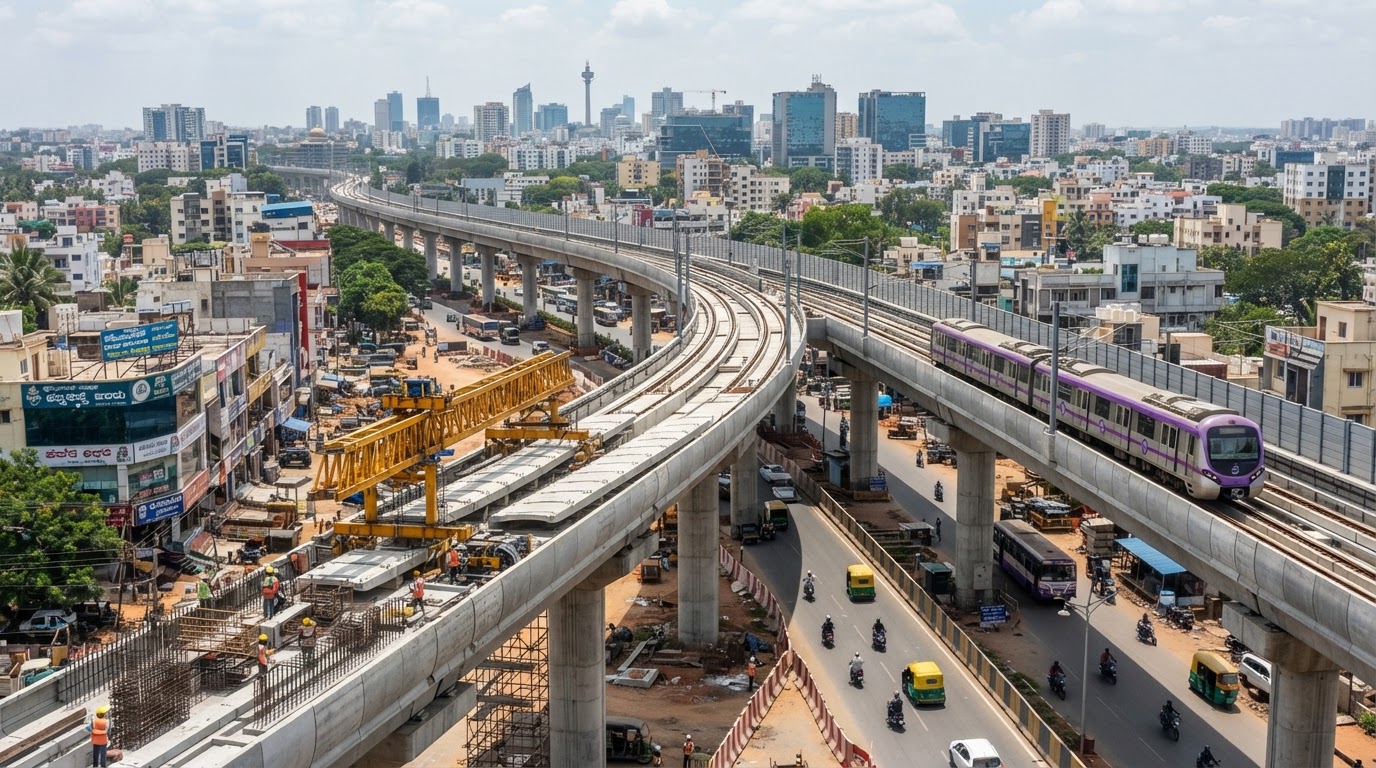
Bengaluru Metro Phase 2: Impact on Property Prices
The Phase 2 expansion adds 100+ km of new metro lines. We analyze which corridors will see the strongest property price re-rating.

Mumbai Trans Harbour Link (MTHL): Navi Mumbai Re-Rating
The 22-km sea bridge connecting Mumbai to Navi Mumbai is operational, collapsing commute times and re-rating Navi Mumbai property.
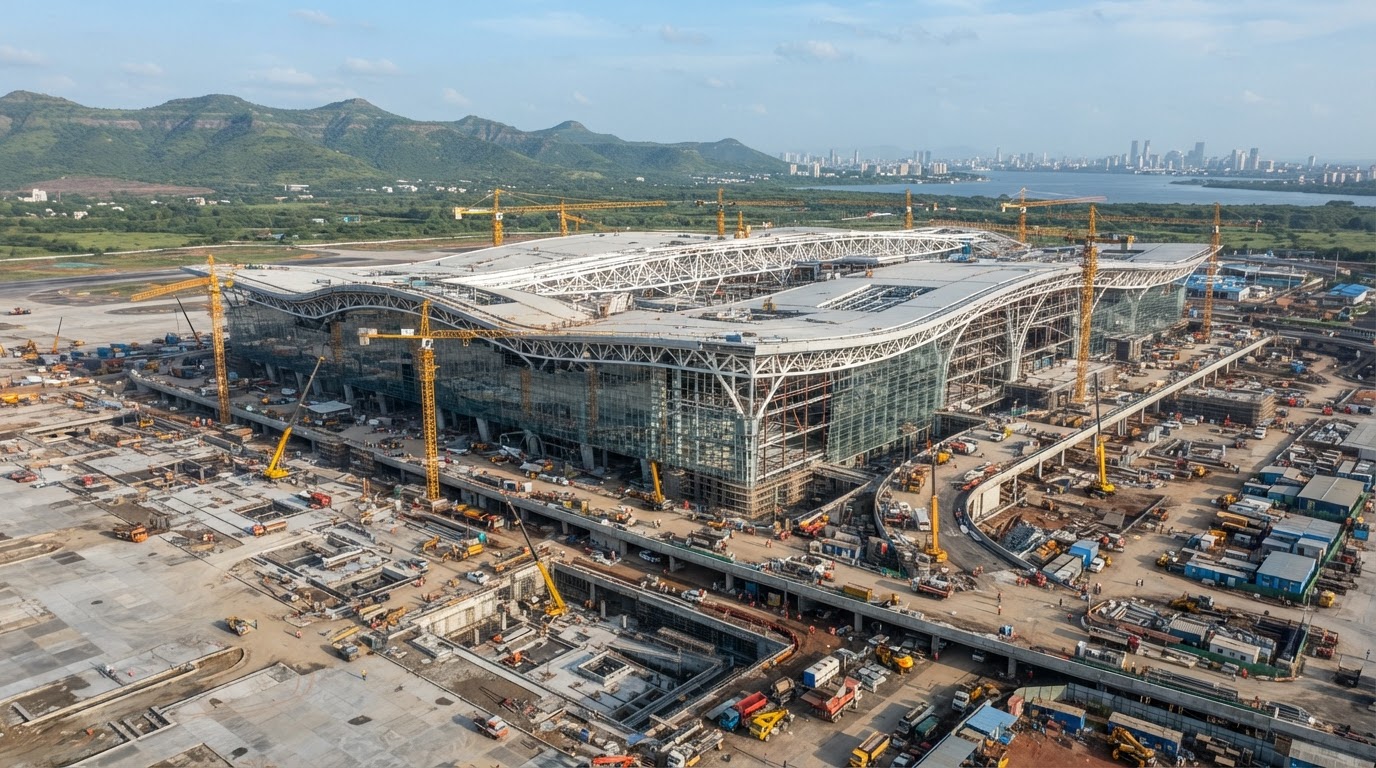
Navi Mumbai International Airport (NMIA): The Investment Thesis
NMIA is India's second greenfield airport in a metro, creating a dual-airport system for Mumbai. We analyze the real estate investment thesis.