
Navi Mumbai International Airport (NMIA): The Investment Thesis
NMIA is India's second greenfield airport in a metro, creating a dual-airport system for Mumbai. We analyze the real estate investment thesis.
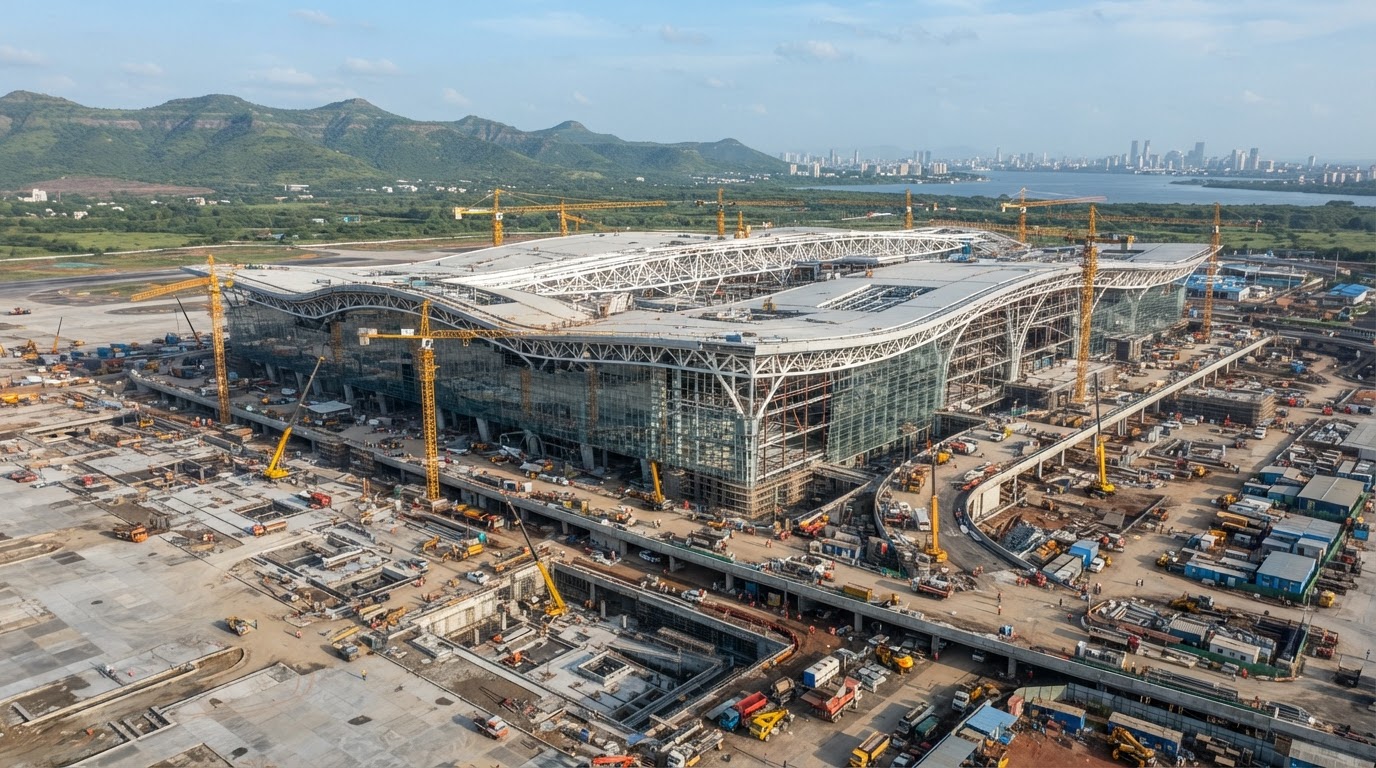
The Navi Mumbai International Airport (NMIA) — under construction at Ulwe, Navi Mumbai — is one of India's most significant greenfield infrastructure projects. For real estate investors, NMIA is the catalyst that transforms Navi Mumbai from a residential satellite into a connected, dual-airport city with its own economic ecosystem.
What NMIA brings:
1. Dual-airport system: NMIA, alongside Mumbai's existing Chhatrapati Shivaji Maharaj International Airport (CSMIA), creates a dual-airport system for Mumbai. This is the model that has transformed cities like London (Heathrow + Gatwick), New York (JFK + Newark), and Tokyo (Haneda + Narita). The dual-airport system expands capacity and distributes air traffic, supporting economic growth.
2. Employment ecosystem: An international airport generates a broad employment ecosystem — aviation, hospitality, logistics, retail, and corporate office. NMIA is expected to generate 100,000+ direct and indirect jobs, creating sustained residential demand in the surrounding nodes.
3. Commercial development: The airport catalyzes commercial office, retail, and hospitality development in the surrounding area, creating a self-contained economic hub.
The real estate impact zones:
1. Ulwe (immediate airport vicinity): The node closest to the airport. Pricing has already moved from ₹5,000/sq ft in 2020 to ₹11,000–15,000/sq ft in 2026. The immediate vicinity has priced in much of the airport catalyst.
2. Panvel (airport-adjacent, established): A larger, more established node with existing infrastructure. Pricing is ₹8,000–14,000/sq ft, with appreciation potential as the airport operationalizes. Panvel offers a better risk-return profile than Ulwe, because the entry pricing is lower and the infrastructure is more mature.
3. Kharghar and Belapur (secondary impact): The established Navi Mumbai nodes benefit from the airport as a connectivity enhancement and employment catalyst. Pricing is ₹12,000–22,000/sq ft, with steady appreciation.
4. Taloja and Khandeshwar (emerging): The emerging nodes along the airport corridor, with lower entry pricing (₹5,000–8,000/sq ft) and higher appreciation potential, but with higher risk as the infrastructure is still developing.
The investment thesis:
NMIA is a 5–10 year catalyst. The airport is expected to be operational in 2026–27 (first phase), with full capacity built over the subsequent decade. The real estate appreciation will occur in phases — the immediate vicinity (Ulwe) has already re-rated; the adjacent nodes (Panvel) will re-rate as the airport operationalizes; the secondary nodes (Kharghar, Belapur) will benefit from the employment and connectivity over the longer term.
For investors, the optimal entry is in Panvel and the established nodes, where the entry pricing is attractive and the infrastructure is mature. The expected appreciation is 20–35% over a 4–5 year hold, driven by the airport operationalization and the employment ecosystem.
The risk: timeline. NMIA has seen multiple delays, and the appreciation thesis depends on operationalization. The MTHL (now operational) has already improved the connectivity, partially de-risking the thesis. But the airport itself must operationalize for the employment catalyst to materialize.
Our view: NMIA is a structural, long-term catalyst for Navi Mumbai real estate. Combined with the MTHL, it transforms Navi Mumbai into a connected, dual-airport city. Investors should position in Panvel and the established nodes, with a 4–5 year hold, to capture the airport-driven re-rating.
Want these insights delivered before anyone else?
Join our confidential investor briefing — subvention alerts, off-market deals and market intelligence, first.
More from Infrastructure
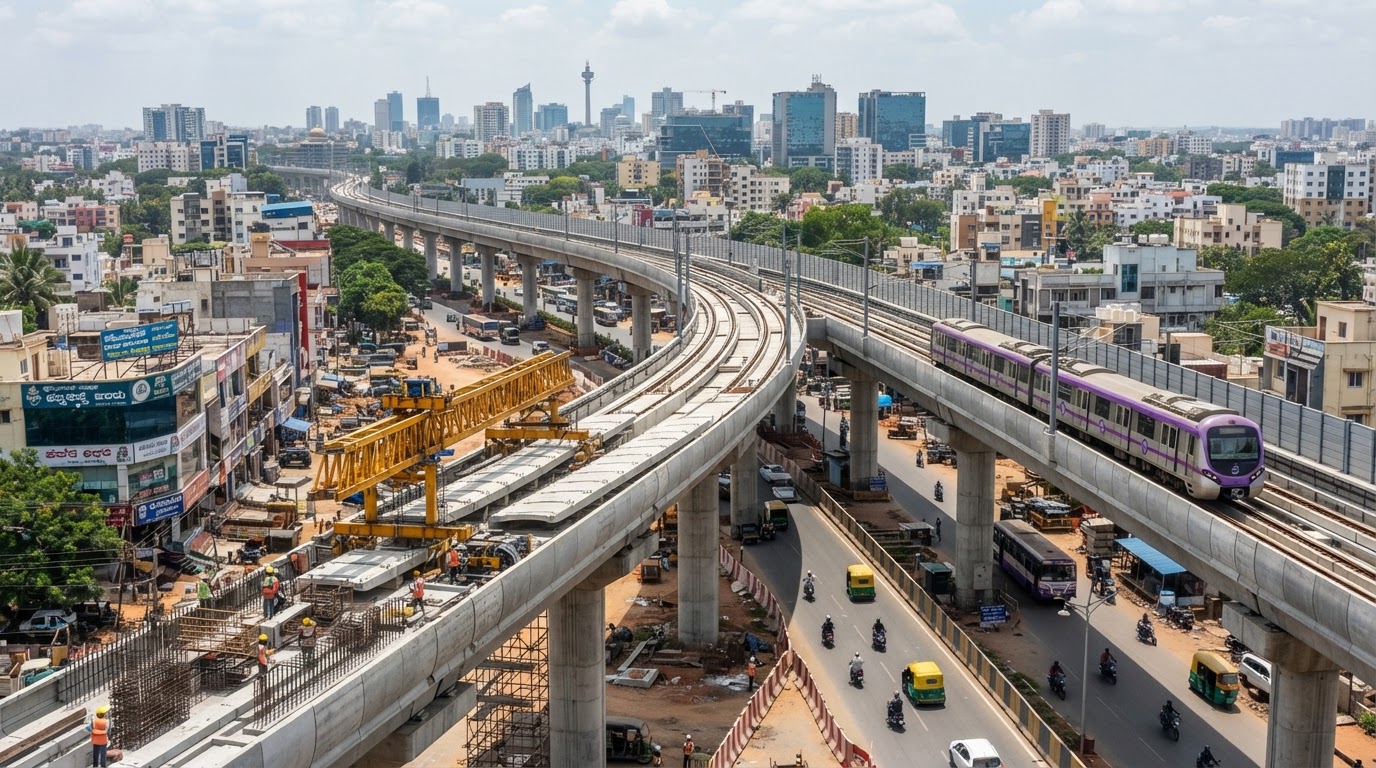
Bengaluru Metro Phase 2: Impact on Property Prices
The Phase 2 expansion adds 100+ km of new metro lines. We analyze which corridors will see the strongest property price re-rating.
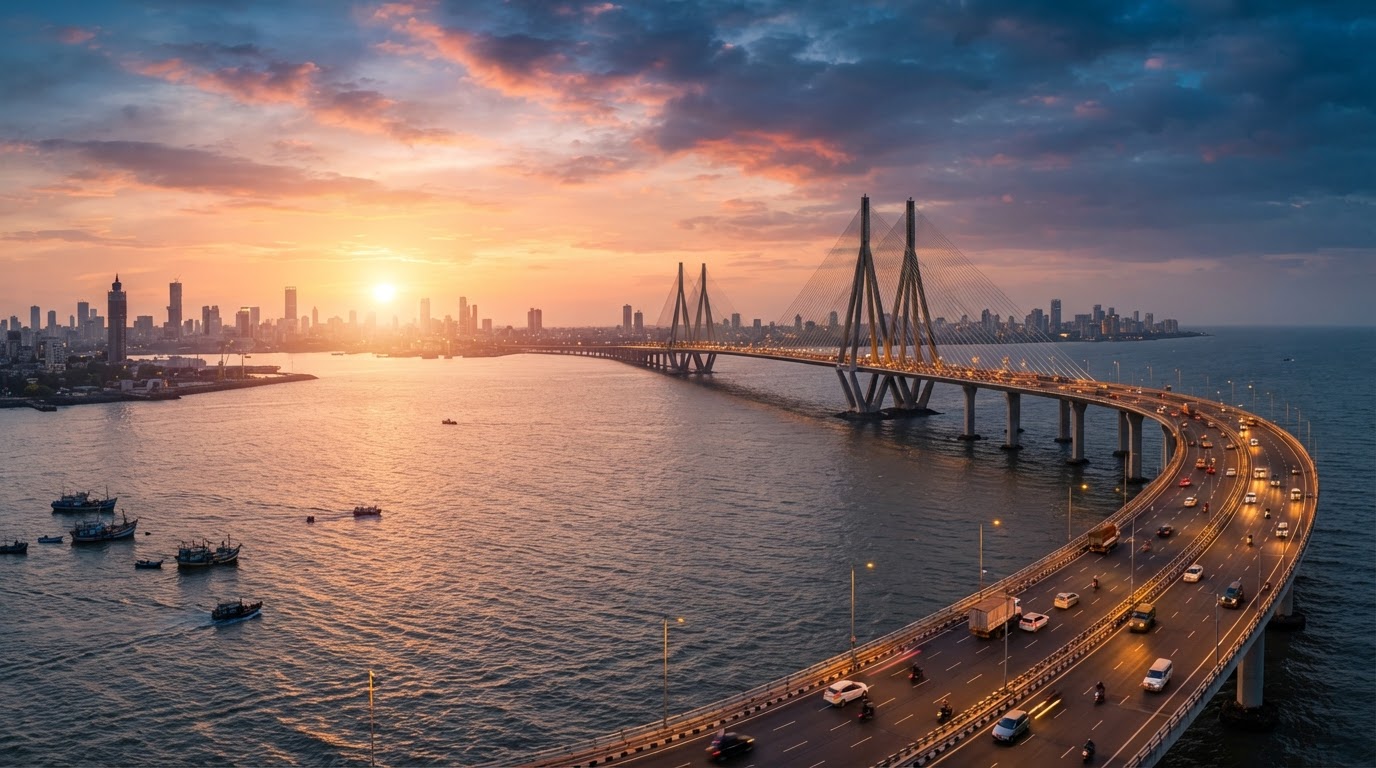
Mumbai Trans Harbour Link (MTHL): Navi Mumbai Re-Rating
The 22-km sea bridge connecting Mumbai to Navi Mumbai is operational, collapsing commute times and re-rating Navi Mumbai property.
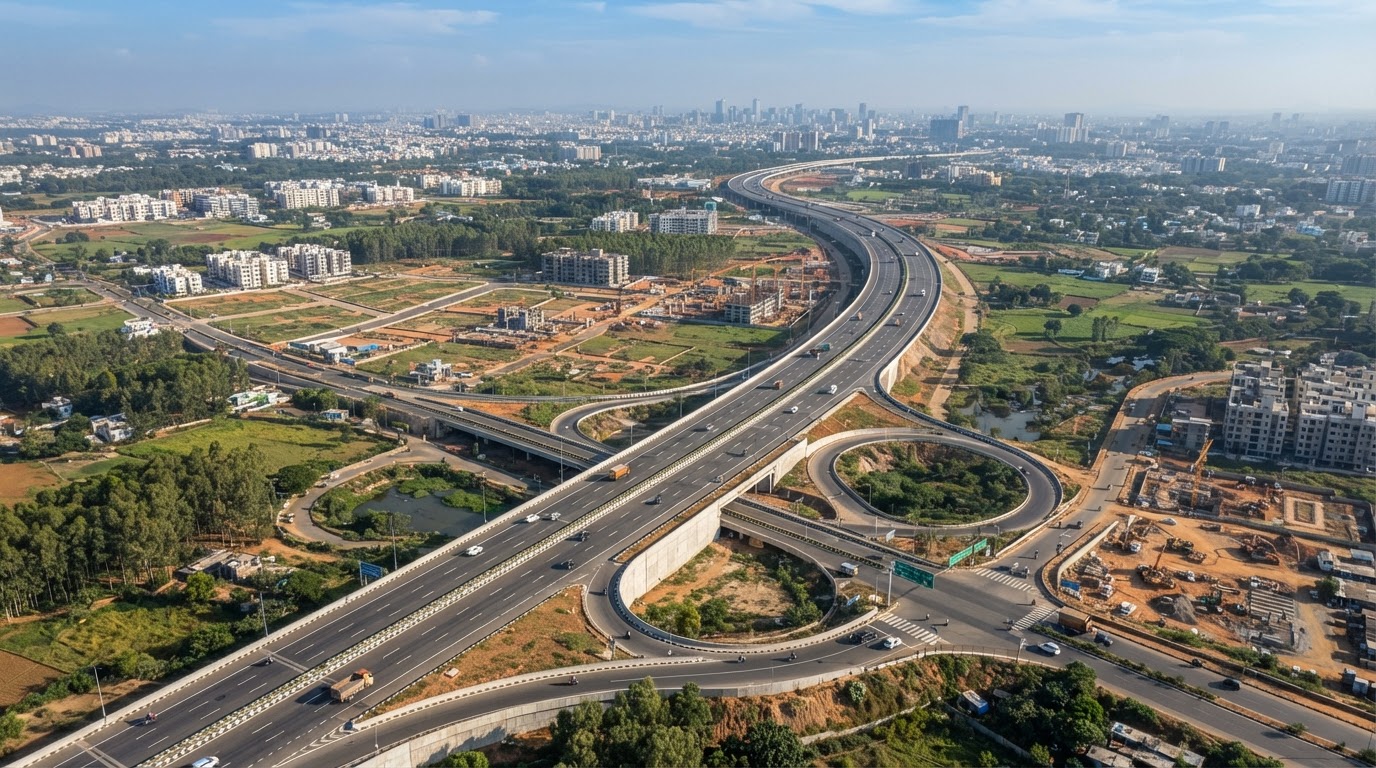
Bengaluru Peripheral Ring Road: Re-Rating the Outer Belt
The proposed 65-km PRR will connect Tumkur Road to Hosur Road, opening up new land for development and creating a new outer corridor.