
Data Centers: The New Commercial Real Estate Asset Class
India's data center capacity is growing 30% annually, driven by digitalization, data localization, and AI. We analyze the investment opportunity.
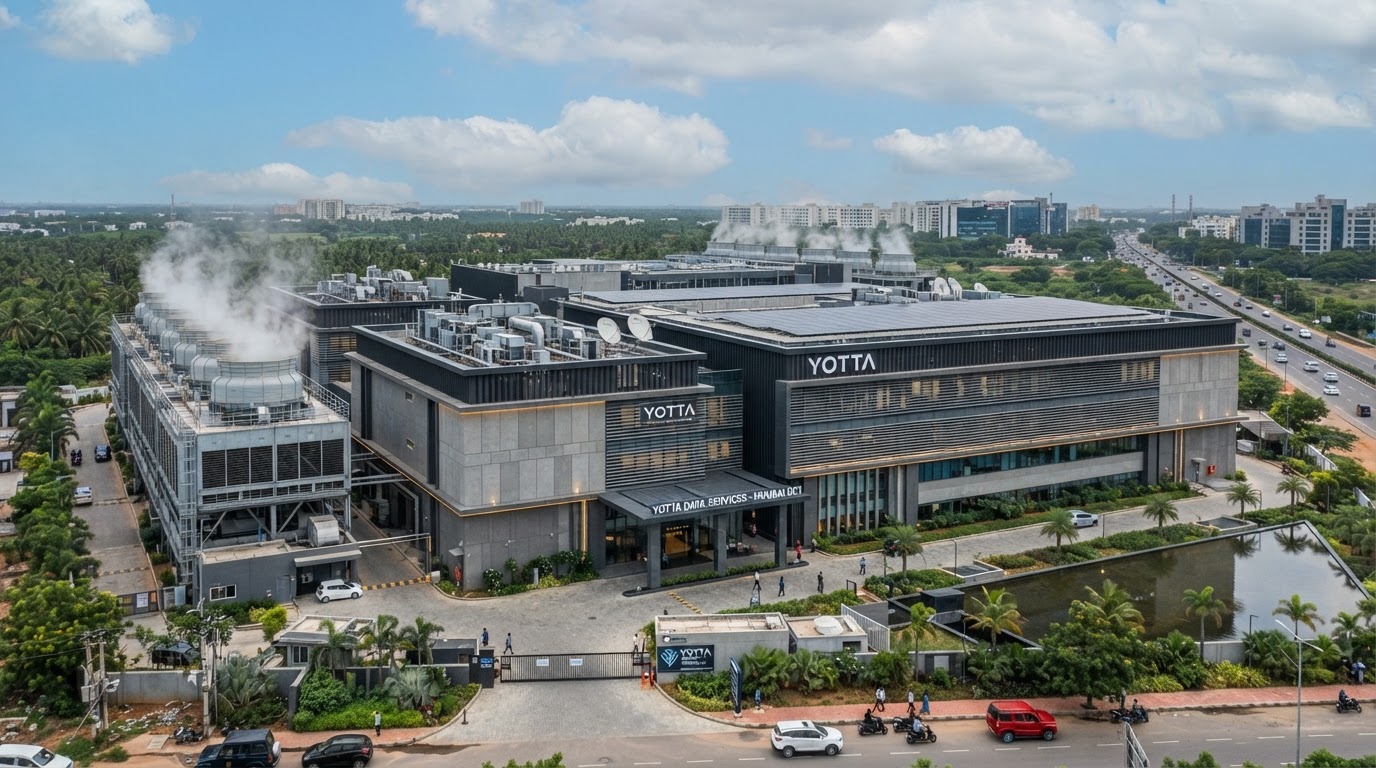
Data centers have emerged as one of India's fastest-growing commercial real estate asset classes, driven by the rapid digitalization of the economy, data localization mandates, and the explosion of cloud and AI computing. For investors, data centers offer a unique yield-plus-growth profile that is distinct from traditional commercial office or retail.
The demand drivers:
1. Digitalization: India's digital economy is growing rapidly — UPI transactions, e-commerce, streaming, and SaaS adoption are all driving exponential growth in data generation and storage demand.
2. Data localization: The RBI's data localization mandate (requiring financial data to be stored within India) and the proposed Data Protection Act's localization provisions are forcing global companies to store Indian data in Indian data centers.
3. Cloud and AI: The growth of cloud computing (AWS, Azure, Google Cloud) and the AI boom are driving hyperscale data center demand. Hyperscale operators are building large facilities in Mumbai, Chennai, and Hyderabad.
4. Edge computing: The growth of edge computing (for IoT, 5G, and low-latency applications) is driving demand for smaller, distributed data centers across multiple cities.
The market size:
India's data center capacity is currently around 950 MW, and is expected to grow to 2,000+ MW by 2026–27 — a 30% annual growth rate. The investment in data center real estate is expected to exceed ₹1.2 lakh crore over the next 5 years.
The key markets:
1. Mumbai (MMR): The largest data center market, with 50%+ of India's capacity. The MMR benefits from submarine cable landing stations, reliable power, and proximity to the financial sector. Key clusters: Panvel, Navi Mumbai, Thane.
2. Chennai: The second-largest market, with strong submarine cable connectivity and a growing IT/ITES sector. Key clusters: Siruseri, Ambattur.
3. Hyderabad: The fastest-growing market, driven by the IT/ITES sector and the Telangana government's data center policy. Key clusters: Financial District, HITEC City.
4. Bengaluru: A growing market, driven by the tech sector. Key clusters: Whitefield, Electronic City.
The investment profile:
Data centers offer a unique yield-plus-growth profile:
1. High yield: Data center rental yields are 9–14% (on a pre-tax, pre-management-fee basis), significantly higher than commercial office (6–8%) or retail (5–7%). The high yield reflects the specialized infrastructure (power, cooling, connectivity) and the critical nature of the asset.
2. Long-term leases: Data center leases are typically 10–15 years, with built-in escalations, providing stable, long-term income.
3. Capital appreciation: The land and infrastructure appreciate as the data center market grows and capacity is added.
4. High entry barrier: Data centers require specialized infrastructure (reliable power, cooling, fiber connectivity, security), creating a high entry barrier that limits supply and supports pricing.
The investment routes:
1. Direct investment: Large investors (institutional, HNI) can invest directly in data center real estate — acquiring land and building a facility for lease to a hyperscale operator. Ticket size: ₹100 Cr+. This offers the highest yield and control but requires significant capital and expertise.
2. REITs and InvITs: Data center REITs and InvITs offer a liquid, lower-ticket-size route to data center investment. The Embassy REIT and the Brookfield REIT have data center exposure. Ticket size: as low as ₹10,000.
3. Fractional ownership: Fractional ownership platforms offer data center exposure at a ₹25–50 lakh ticket size, with professional management.
4. Developer equity: Investors can take equity in data center developers (CtrlS, NTT, Yotta, STT GDC) via private equity or pre-IPO rounds.
The risks:
1. Technology obsolescence: Data center technology evolves rapidly. A facility built today may need significant upgrades in 7–10 years to remain competitive.
2. Power availability: Data centers are power-intensive. Power availability and cost are critical — a facility in a power-deficient area is unviable.
3. Tenant concentration: Hyperscale data centers are often single-tenant (leased to one cloud operator). Tenant concentration risk is high — if the tenant leaves, the facility may be difficult to re-lease.
4. Regulatory: Data centers are subject to regulatory requirements (security, data protection, environmental). Regulatory changes can impact the operating model.
Our view: data centers are a legitimate, high-growth commercial real estate asset class with a unique yield-plus-growth profile. For investors seeking income from their commercial allocation, data centers offer the highest yield in commercial real estate. The key is accessing the asset class through the right route (REITs, fractional ownership, or direct investment, depending on ticket size) and selecting facilities in the key markets (Mumbai, Chennai, Hyderabad) with creditworthy tenants.
Want these insights delivered before anyone else?
Join our confidential investor briefing — subvention alerts, off-market deals and market intelligence, first.
More from Commercial Real Estate
Warehousing and Logistics: The E-Commerce-Driven Boom
India's warehousing sector is growing 20% annually, driven by e-commerce, manufacturing, and the PLI scheme. We analyze the investment opportunity.
Hybrid Work Impact on Office Space Demand: The New Normal
Hybrid work has reshaped office space demand. We analyze how the shift affects commercial real estate yields, vacancy, and the investment case.

Retail Real Estate: Mall vs High Street Investment
Malls offer stable, anchor-tenant-driven yield. High street offers higher yield but tenant turnover. We compare the two retail investment profiles.