
Retail Real Estate: Mall vs High Street Investment
Malls offer stable, anchor-tenant-driven yield. High street offers higher yield but tenant turnover. We compare the two retail investment profiles.
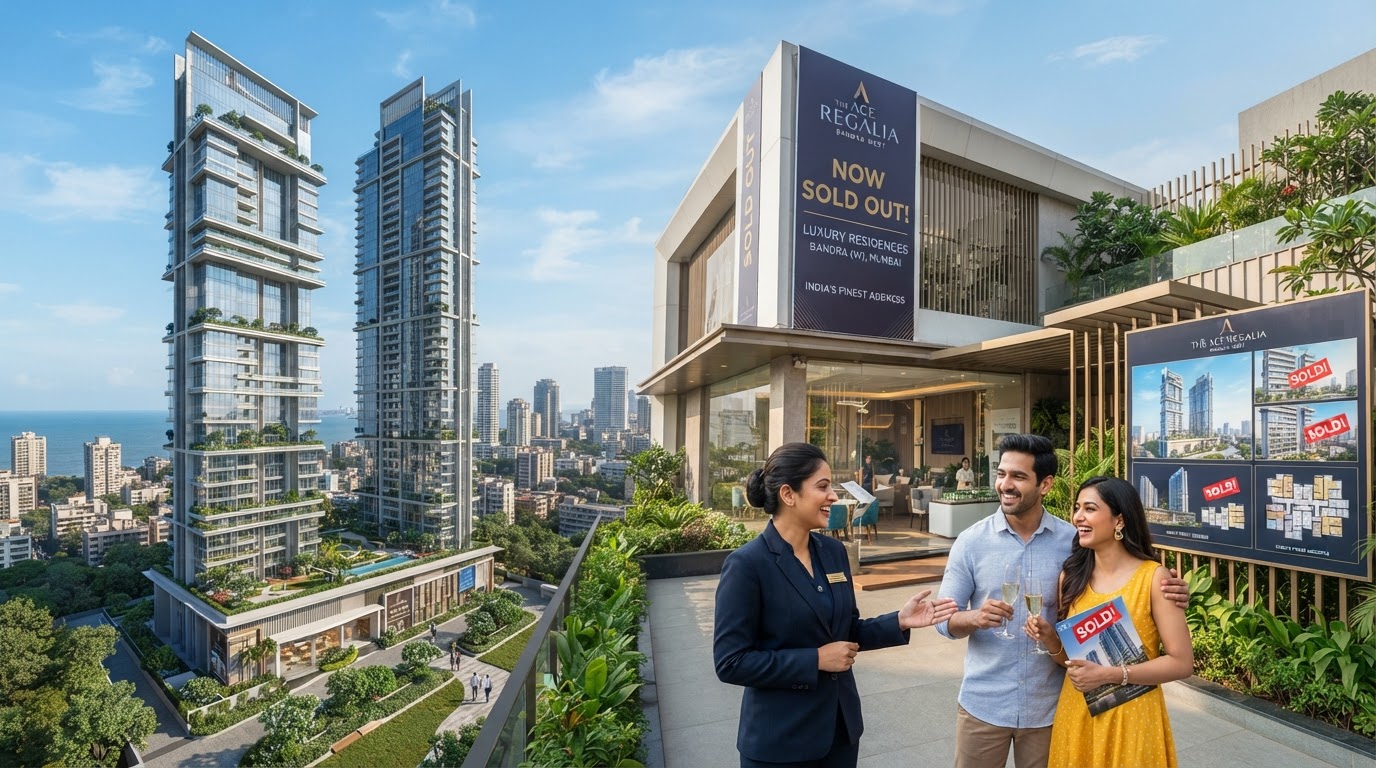
Retail real estate — both mall and high street — is a distinct commercial asset class with its own demand drivers, yield profile, and risk characteristics. For investors, the choice between mall and high street retail is a choice between stability (mall) and yield (high street), with different tenant profiles and management requirements.
Mall retail:
Malls are large, organized retail developments with anchor tenants (department stores, supermarkets, multiplexes) and a mix of smaller retail units. The key malls in India include Phoenix Mills (Mumbai, Pune, Bengaluru), DLF Mall of India (Noida), and Select Citywalk (Delhi).
The investment profile:
1. Stable yield: Mall retail yields are 5–7%, supported by long-term anchor tenant leases (9–12 years) and a diversified tenant mix. The anchor tenants provide stable income, and the smaller units provide upside through rent escalations.
2. Capital appreciation: Mall values appreciate as the location develops and the mall's brand and footfall grow. Well-located, well-managed malls can see 8–12% annual appreciation.
3. Professional management: Malls are professionally managed (by the developer or a mall management company), reducing the investor's management burden. The management handles tenant mix, marketing, maintenance, and common areas.
4. High entry barrier: Mall development requires large land parcels, significant capital, and specialized expertise. This limits supply and supports pricing.
The risks:
1. Anchor tenant risk: If an anchor tenant leaves (due to bankruptcy or strategic retreat), the mall's footfall and the smaller tenants' viability are impacted. Anchor tenant risk is the single biggest mall risk.
2. E-commerce impact: E-commerce has impacted certain retail categories (apparel, electronics) more than others (food, entertainment, experiential). Malls with a high exposure to e-commerce-impacted categories are under pressure.
3. Obsolescence: Older malls (built pre-2010) are facing obsolescence, as consumers prefer newer, experiential malls. Repositioning or redevelopment may be required.
High street retail:
High street retail is the traditional retail format — shops on the ground floor of buildings on prominent streets. Key high streets include Linking Road and Bandra Hill Road (Mumbai), Brigade Road and Commercial Street (Bengaluru), and Khan Market (Delhi).
The investment profile:
1. Higher yield: High street retail yields are 6–9%, higher than mall retail. The higher yield reflects the smaller unit size, the higher rent per sq ft, and the direct landlord-tenant relationship (no mall management fee).
2. Capital appreciation: High street values appreciate sharply as the location gentrifies or the commercial ecosystem develops. Prime high streets (Khan Market, Linking Road) have seen 50–100% appreciation over 5 years.
3. Tenant turnover: High street tenants have shorter leases (3–5 years) and higher turnover. This creates vacancy risk and re-leasing cost, but also the opportunity to re-lease at higher rents as the location appreciates.
4. Management burden: High street retail requires active management — tenant sourcing, lease negotiation, maintenance. The investor (or their manager) handles this directly.
The risks:
1. Tenant turnover: The higher tenant turnover creates vacancy risk. A vacant high street unit can take 3–6 months to re-lease, during which the yield is zero.
2. Location risk: High street retail is extremely location-dependent. A shop on a prime high street (Khan Market) is valuable; a shop on a secondary street is not. The location quality is the single biggest value driver.
3. Regulatory: High street retail is subject to municipal regulations (parking, signage, loading/unloading). Regulatory changes can impact the operating model.
The comparison:
| Feature | Mall | High Street | |---|---|---| | Yield | 5–7% | 6–9% | | Lease term | 9–12 years (anchor), 3–5 years (small) | 3–5 years | | Tenant turnover | Low (anchor), moderate (small) | High | | Management | Professional (mall management) | Active (landlord) | | Entry barrier | High (large capital, expertise) | Moderate (smaller unit, but prime location is scarce) | | E-commerce impact | Moderate (category-dependent) | Low (high street is experiential and service-oriented) |
Our view: both mall and high street retail are legitimate commercial investments, but for different investor profiles. Mall retail suits investors seeking stable, professionally-managed yield with lower management burden. High street retail suits investors seeking higher yield and capital appreciation, with active management and higher tenant turnover. For most investors, a mix of both (a mall unit for stability, a high street unit for yield and appreciation) provides a balanced retail allocation.
Want these insights delivered before anyone else?
Join our confidential investor briefing — subvention alerts, off-market deals and market intelligence, first.
More from Commercial Real Estate
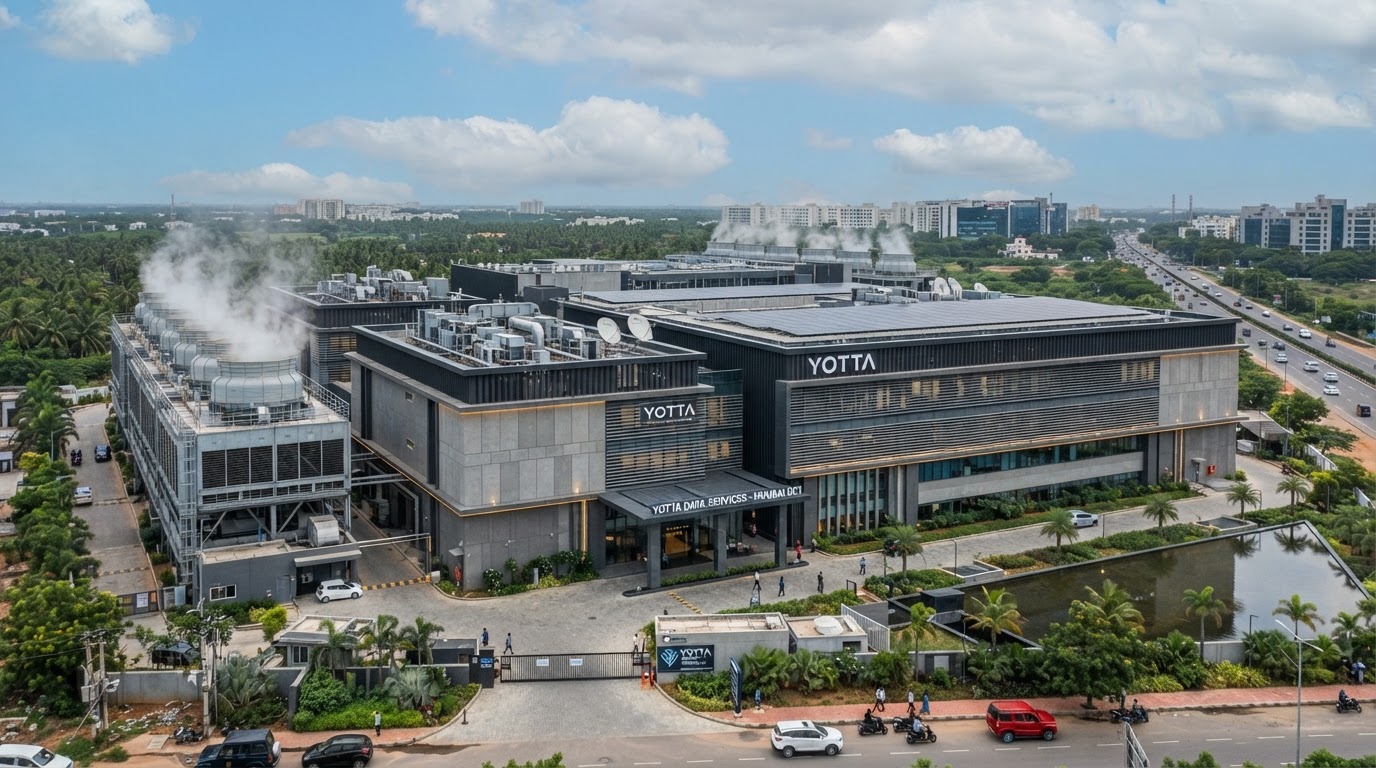
Data Centers: The New Commercial Real Estate Asset Class
India's data center capacity is growing 30% annually, driven by digitalization, data localization, and AI. We analyze the investment opportunity.
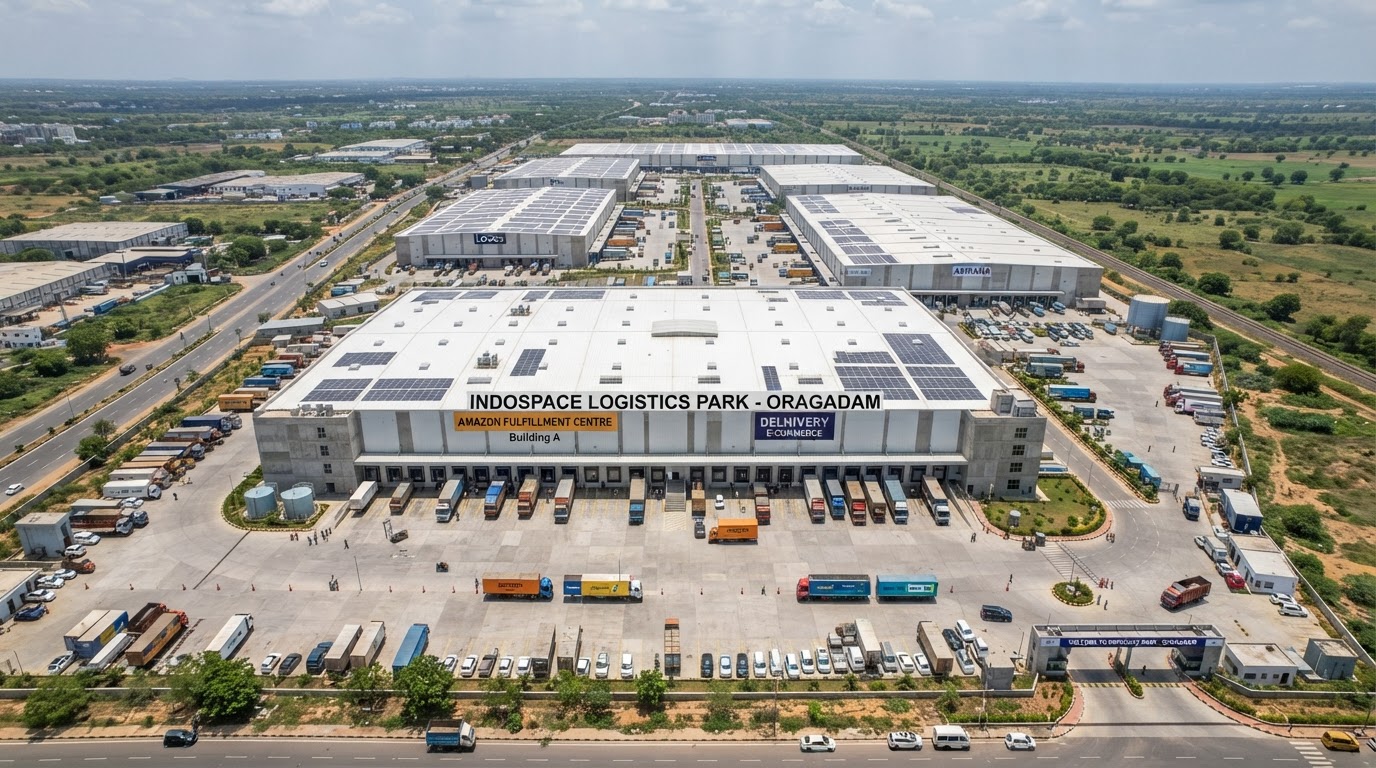
Warehousing and Logistics: The E-Commerce-Driven Boom
India's warehousing sector is growing 20% annually, driven by e-commerce, manufacturing, and the PLI scheme. We analyze the investment opportunity.
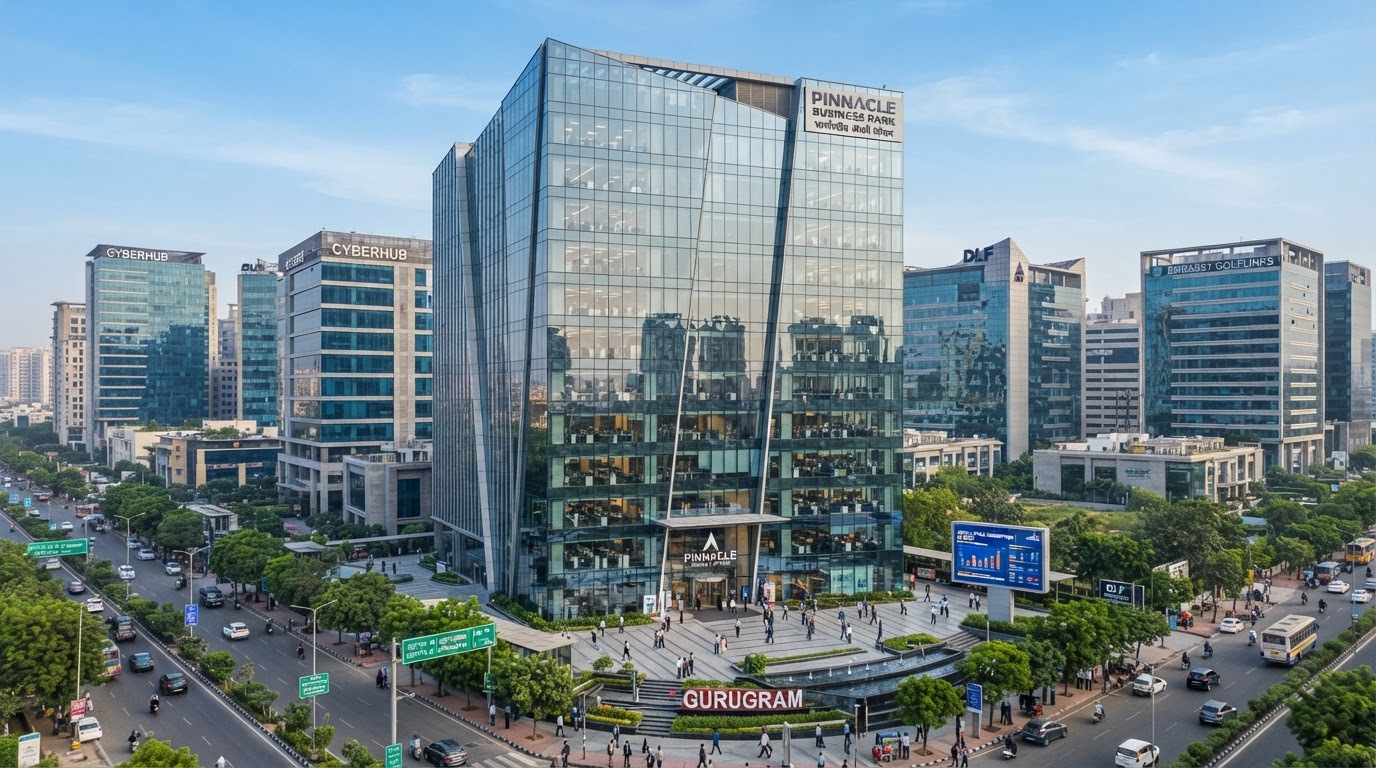
Hybrid Work Impact on Office Space Demand: The New Normal
Hybrid work has reshaped office space demand. We analyze how the shift affects commercial real estate yields, vacancy, and the investment case.