
Hybrid Work Impact on Office Space Demand: The New Normal
Hybrid work has reshaped office space demand. We analyze how the shift affects commercial real estate yields, vacancy, and the investment case.

The hybrid work model — where employees split their time between the office and home — has fundamentally reshaped the demand for commercial office space. For investors in Grade-A office, understanding the hybrid work impact is essential for assessing the yield, vacancy, and appreciation outlook.
The hybrid work shift:
Post-pandemic, most IT and corporate firms have adopted a hybrid model — typically 2–3 days in the office, 2–3 days remote. This has reduced the per-employee office space requirement, as companies need less dedicated desk space.
However, the impact on total office space demand is more nuanced than the simple 'less office space' narrative. The key trends:
1. Reduced desk density, increased common space: Companies are reducing the desk-to-employee ratio (from 1:1 to 0.7:1 or lower) but increasing the common space (collaboration areas, meeting rooms, breakout spaces). The net impact on total space is a moderate reduction (10–20%), not a dramatic one.
2. Flight to quality: Companies are consolidating into fewer, higher-quality offices. Grade-A office demand is strong; Grade-B and older office stock is seeing higher vacancy. The 'flight to quality' benefits Grade-A investors.
3. Hub-and-spoke model: Some companies are adopting a hub-and-spoke model — a large headquarters in the primary city, with smaller satellite offices in tier-2 cities or suburbs. This creates demand for both large Grade-A space (hub) and smaller, flexible space (spoke).
4. Co-working integration: Companies are integrating co-working space into their real estate strategy, using it for flexibility and project teams. This supports the co-working segment (WeWork, Awfis, Smartworks).
The impact on commercial office yields and vacancy:
1. Grade-A office (premium, connected): Demand remains strong. Vacancy is 5–10%. Yields are stable at 6–8%. The flight to quality supports Grade-A pricing and occupancy.
2. Grade-B office (older, less connected): Vacancy has increased to 15–25%. Yields are under pressure (4–6%). Some Grade-B stock is being repositioned or converted to co-working or residential.
3. Suburban vs. CBD: The demand has shifted slightly toward suburban and peripheral offices (closer to where employees live) from the central business districts (CBDs). This benefits suburban Grade-A office (ORR in Bengaluru, Noida Expressway in NCR) and pressures CBD office (which is often older stock).
The investment implications:
1. Grade-A office in connected micro-markets remains a strong yield play. The flight to quality supports demand, and the yields (6–8%) are attractive relative to residential (2–4%).
2. Grade-B office is a value play with higher risk. The higher vacancy and yield pressure create opportunities for repositioning (renovation, re-tenanting), but the risk is higher.
3. Co-working and flexible space is a growth segment, driven by the hybrid work model. Investors can access this via co-working operators (on a revenue-share or lease model) or via REITs with co-working exposure.
4. Suburban Grade-A office is the beneficiary of the hybrid work shift. The ORR (Bengaluru), Noida Expressway (NCR), and the Financial District (Hyderabad) are seeing strong demand.
Our view: hybrid work has not killed commercial office — it has reshaped it. Grade-A office in connected micro-markets remains a strong yield play, with stable demand and attractive yields. The key is selecting Grade-A space (not Grade-B) in the right micro-markets (suburban, connected, IT-corridor) with creditworthy tenants. The hybrid work shift has actually strengthened the Grade-A segment by driving the flight to quality.
Want these insights delivered before anyone else?
Join our confidential investor briefing — subvention alerts, off-market deals and market intelligence, first.
More from Commercial Real Estate
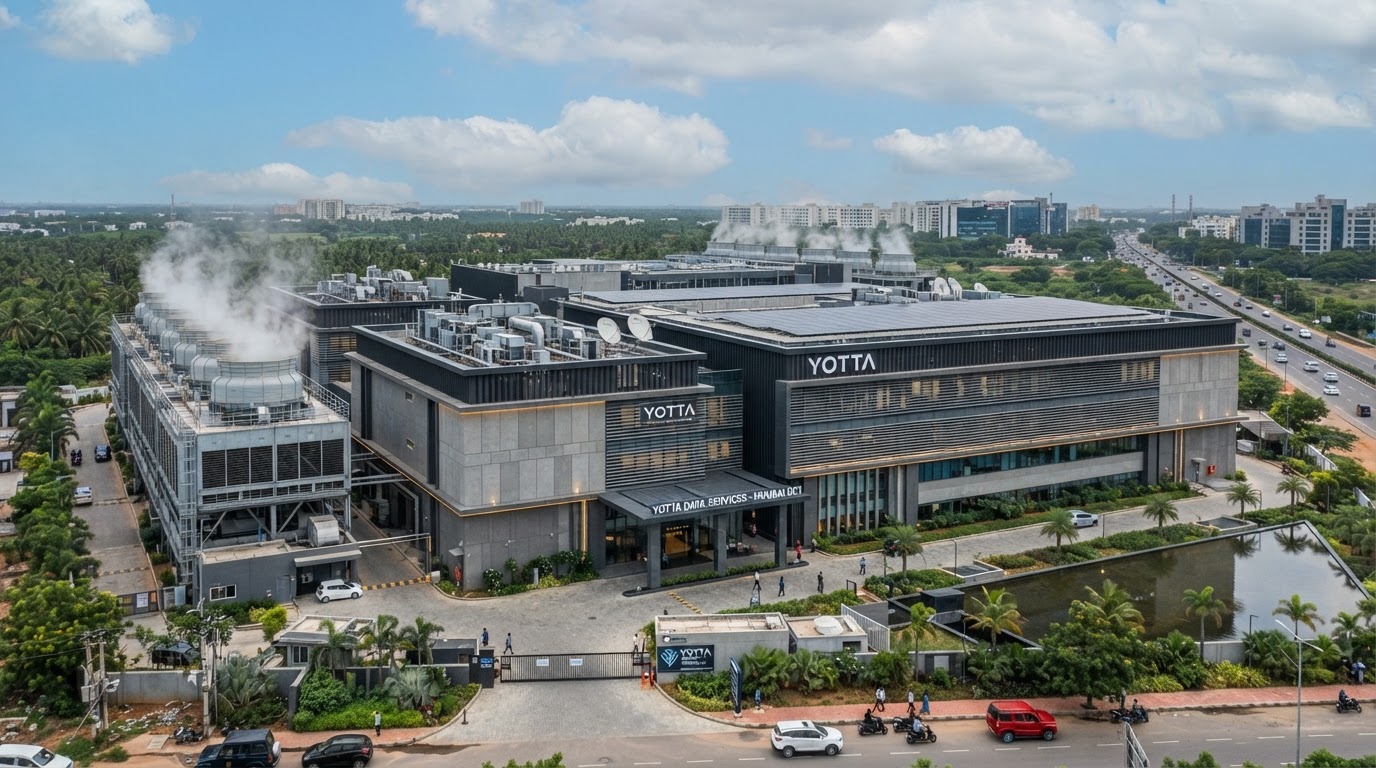
Data Centers: The New Commercial Real Estate Asset Class
India's data center capacity is growing 30% annually, driven by digitalization, data localization, and AI. We analyze the investment opportunity.
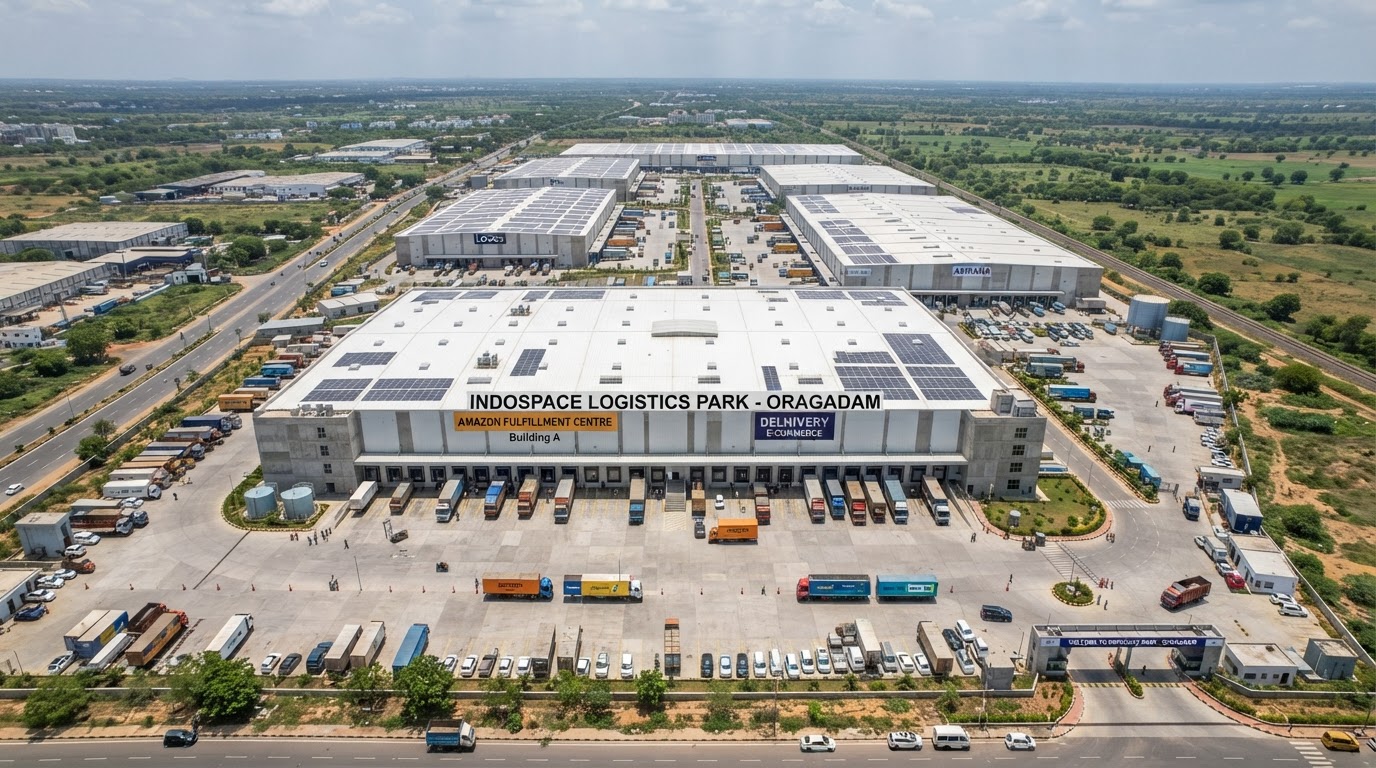
Warehousing and Logistics: The E-Commerce-Driven Boom
India's warehousing sector is growing 20% annually, driven by e-commerce, manufacturing, and the PLI scheme. We analyze the investment opportunity.

Retail Real Estate: Mall vs High Street Investment
Malls offer stable, anchor-tenant-driven yield. High street offers higher yield but tenant turnover. We compare the two retail investment profiles.