
Warehousing and Logistics: The E-Commerce-Driven Boom
India's warehousing sector is growing 20% annually, driven by e-commerce, manufacturing, and the PLI scheme. We analyze the investment opportunity.
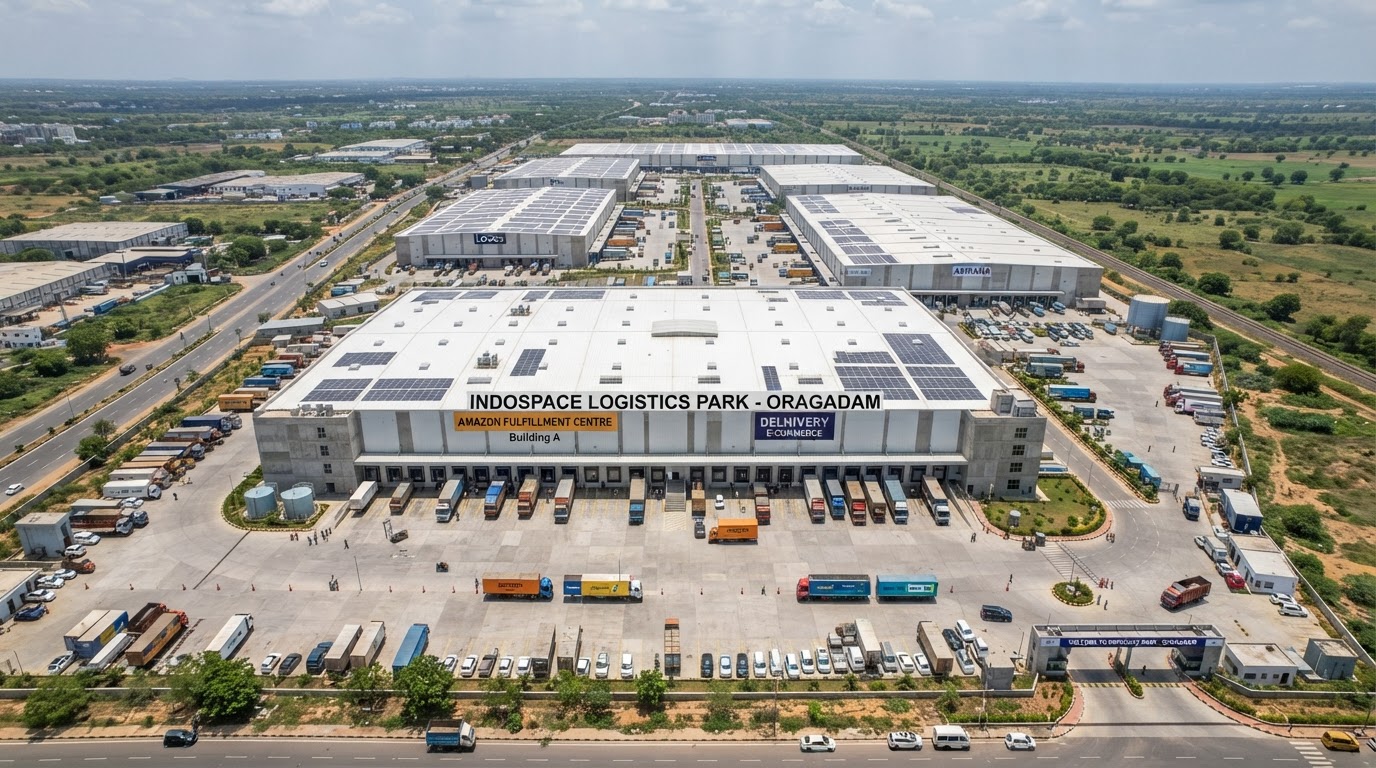
Warehousing and logistics real estate has emerged as one of India's highest-yielding commercial asset classes, driven by the e-commerce boom, the manufacturing PLI scheme, and the modernization of India's supply chain. For investors, warehousing offers a compelling yield-plus-appreciation profile with lower volatility than commercial office.
The demand drivers:
1. E-commerce: The growth of e-commerce (Flipkart, Amazon, Reliance, Meesho) has created massive demand for modern, Grade-A warehousing. E-commerce requires large, well-located warehouses for fulfillment centers, sortation centers, and last-mile delivery hubs.
2. Manufacturing PLI: The Production-Linked Incentive (PLI) scheme is driving manufacturing growth in electronics, auto, pharma, and food processing, creating demand for industrial and warehouse space.
3. Third-party logistics (3PL): The growth of 3PL providers (DHL, Blue Dart, FedEx, Delhivery) is driving demand for leased warehouse space, as manufacturers and retailers outsource their logistics.
4. Cold chain: The growth of organized retail, food delivery, and pharmaceuticals is driving demand for cold chain (temperature-controlled) warehousing, a specialized, higher-yield segment.
The market size:
India's Grade-A warehousing stock is approximately 50 million sq ft, growing at 20% annually. The investment in warehousing real estate is expected to exceed ₹50,000 crore over the next 5 years.
The key markets:
1. NCR (Bhiwandi, Bilaspur, Luhari): The largest warehousing market, serving the NCR consumption and manufacturing base.
2. Mumbai (Bhiwandi, Panvel, Taloja): The second-largest market, serving the Mumbai consumption base and the port.
3. Bengaluru (Hoskote, Malur, Doddaballapur): A growing market, serving the tech and e-commerce base.
4. Hyderabad (Sangareddy, Medchal): A fast-growing market, serving the pharma and manufacturing base.
5. Chennai (Sriperumbudur, Oragadam): A strong market, serving the auto and manufacturing base.
6. Pune (Chakan, Talegaon): A strong market, serving the auto and manufacturing base.
The investment profile:
1. High yield: Warehousing rental yields are 8–11% (Grade-A), significantly higher than commercial office (6–8%). The yield reflects the specialized infrastructure (high ceilings, heavy floors, dock levelers) and the demand from creditworthy tenants (e-commerce, 3PL, manufacturing).
2. Long-term leases: Warehouse leases are typically 5–9 years, with built-in escalations, providing stable income.
3. Capital appreciation: The land and infrastructure appreciate as the warehousing market grows and the location develops.
4. Lower volatility: Warehousing demand is driven by consumption and manufacturing, which are less cyclical than commercial office (which is driven by IT hiring). The lower volatility makes warehousing a more stable income play.
The investment routes:
1. Direct investment: Large investors can acquire land and build a warehouse for lease. Ticket size: ₹20–50 Cr. This offers the highest yield and control.
2. REITs and InvITs: The Embassy REIT and the Brookfield REIT have warehousing exposure. The Blackstone-owned Horizon Industrial Parks is a major warehousing platform. Ticket size: as low as ₹10,000.
3. Fractional ownership: Fractional ownership platforms offer warehousing exposure at a ₹25–50 lakh ticket size.
The risks:
1. Location risk: Warehousing is highly location-dependent. A warehouse in a poor location (far from the consumption/manufacturing base, poor road connectivity) will have high vacancy and low yield.
2. Tenant concentration: Many warehouses are single-tenant (leased to one e-commerce or 3PL operator). Tenant concentration risk is high.
3. Obsolescence: Warehouse technology evolves (automation, robotics). A facility built today may need upgrades in 7–10 years to remain competitive.
4. Regulatory: Warehousing is subject to environmental, safety, and labor regulations. Regulatory changes can impact the operating model.
Our view: warehousing is a legitimate, high-yield commercial asset class with lower volatility than office. For investors seeking stable income from their commercial allocation, warehousing offers the best yield-to-risk ratio in commercial real estate. The key is selecting Grade-A facilities in the key markets (NCR, Mumbai, Bengaluru, Chennai) with creditworthy tenants and good road connectivity.
Want these insights delivered before anyone else?
Join our confidential investor briefing — subvention alerts, off-market deals and market intelligence, first.
More from Commercial Real Estate
Data Centers: The New Commercial Real Estate Asset Class
India's data center capacity is growing 30% annually, driven by digitalization, data localization, and AI. We analyze the investment opportunity.
Hybrid Work Impact on Office Space Demand: The New Normal
Hybrid work has reshaped office space demand. We analyze how the shift affects commercial real estate yields, vacancy, and the investment case.

Retail Real Estate: Mall vs High Street Investment
Malls offer stable, anchor-tenant-driven yield. High street offers higher yield but tenant turnover. We compare the two retail investment profiles.