
Green Building Certification (IGBC/GRIHA): The Premium Driver
IGBC and GRIHA certified buildings command a 5–10% pricing premium and higher rental yields. We analyze the green building investment case.
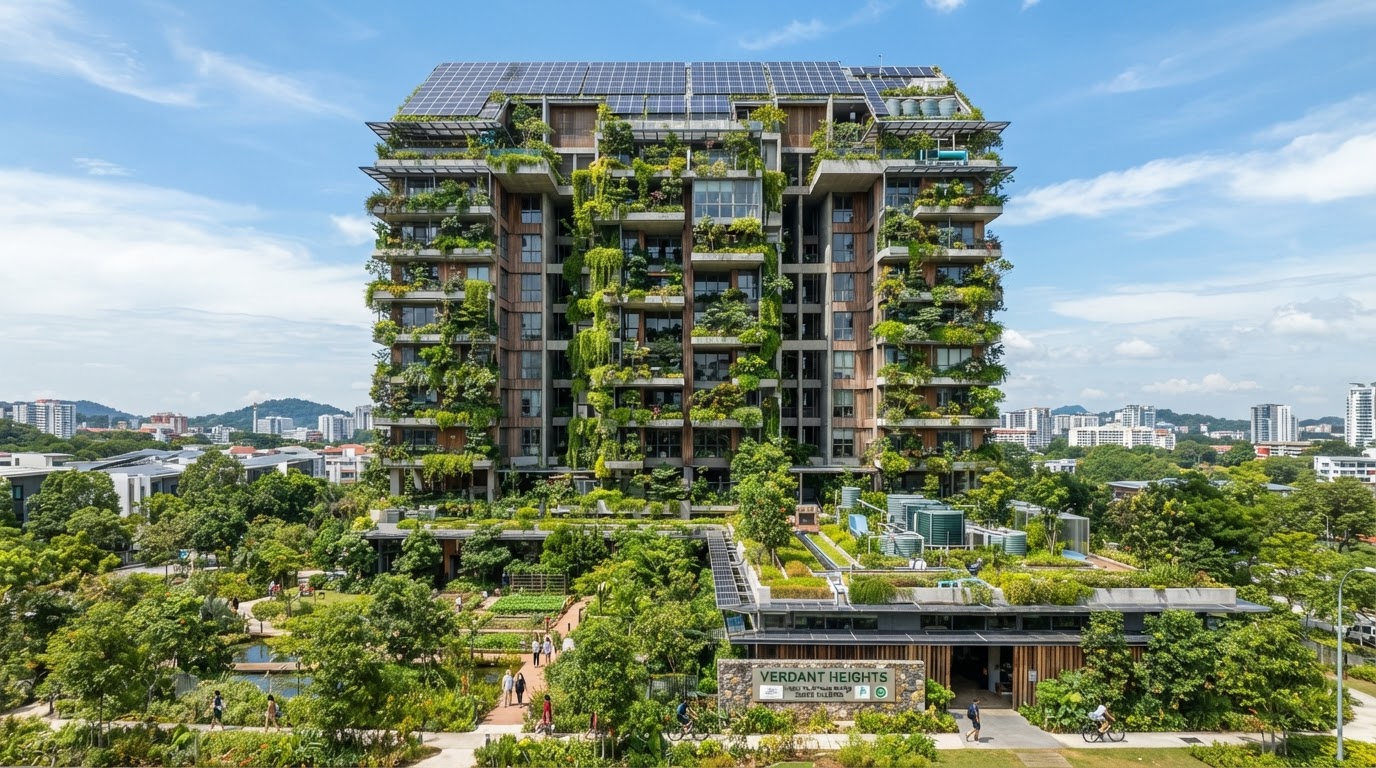
Green building certification — through IGBC (Indian Green Building Council) and GRIHA (Green Rating for Integrated Habitat Assessment) — has moved from a niche differentiator to a mainstream premium driver in Indian real estate. For investors, green-certified buildings offer a tangible pricing premium, higher rental yields, and lower operating costs.
What green certification means:
IGBC and GRIHA certifications assess a building's environmental performance across multiple parameters:
1. Energy efficiency: The building's energy consumption, the use of renewable energy (solar), and the efficiency of lighting and HVAC systems.
2. Water efficiency: Rainwater harvesting, water recycling, low-flow fixtures, and efficient irrigation.
3. Waste management: Construction waste management, organic waste composting, and recycling facilities.
4. Materials: The use of locally sourced, recycled, and low-environmental-impact materials.
5. Indoor environmental quality: Ventilation, daylight, and air quality for occupant health and comfort.
6. Site sustainability: Landscaping, biodiversity, and reduced heat island effect.
The certification levels (Certified, Silver, Gold, Platinum) reflect the degree of environmental performance.
The investment case:
1. Pricing premium: Green-certified residential buildings command a 5–10% pricing premium over non-certified buildings in the same micro-market. The premium reflects the buyer's willingness to pay for lower operating costs, healthier indoor environment, and the environmental brand value.
2. Higher rental yield: Green-certified commercial buildings command 10–15% higher rents and have lower vacancy, as corporate tenants (particularly MNCs with ESG mandates) prefer certified space. The yield uplift is 0.5–1% over non-certified buildings.
3. Lower operating costs: Green buildings have 20–30% lower energy and water costs, reducing the maintenance charges and improving the net yield. For commercial buildings, the lower operating cost directly improves the tenant's occupancy cost, supporting rent affordability.
4. Regulatory tailwind: The government is increasingly mandating green building features (rainwater harvesting, solar rooftop, EV charging). Certified buildings are ahead of the regulatory curve, reducing the risk of future compliance costs.
5. ESG-driven demand: Corporate tenants and institutional investors have ESG mandates that require green-certified space. This creates a structural demand driver for certified commercial buildings.
The cost of certification:
Green certification adds 2–5% to the construction cost, primarily for energy-efficient systems (HVAC, lighting), water management (rainwater harvesting, recycling), and renewable energy (solar). The payback period is typically 3–5 years, through the operating cost savings.
For investors, the certification cost is borne by the developer, and the premium is captured by the buyer/investor. The certification is a net positive for the investment — the premium and the yield uplift exceed the cost (which is embedded in the purchase price).
The risks:
1. Certification quality: Not all certifications are equal. A 'Certified' level building has minimal green features; a 'Platinum' level building has comprehensive features. Investors should verify the certification level, not just the presence of a certification.
2. Performance gap: Some certified buildings do not perform as designed — the green features are installed but not maintained or used effectively. The operating cost savings may be lower than projected.
3. Greenwashing: Some developers market 'green features' without formal certification. Investors should verify the IGBC/GRIHA certification, not rely on marketing claims.
Our view: green certification is a legitimate premium driver, particularly for commercial buildings where the ESG-driven demand is strongest. For residential, the premium is smaller but still positive. We recommend prioritizing green-certified buildings (Gold or Platinum level) in the commercial sleeve of the portfolio, and considering certification as a positive factor (but not the primary driver) in residential selection. The certification provides a pricing premium, a yield uplift, lower operating costs, and a regulatory tailwind — a combination that improves the risk-adjusted return.
Want these insights delivered before anyone else?
Join our confidential investor briefing — subvention alerts, off-market deals and market intelligence, first.
More from Sustainable & Future Trends
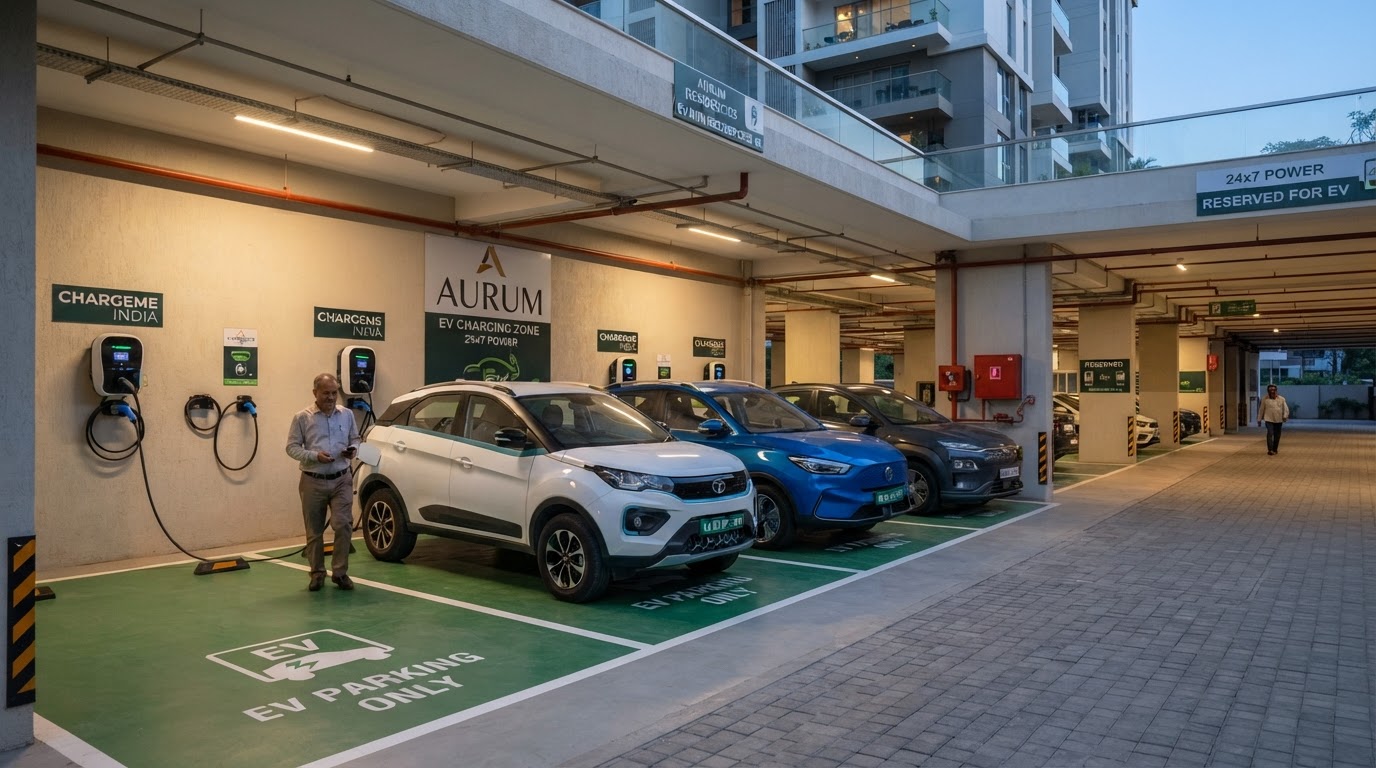
EV Charging in Residential Complexes: The New Amenity
EV charging is becoming a must-have amenity in premium residential complexes. We analyze the impact on property value and the investment case.
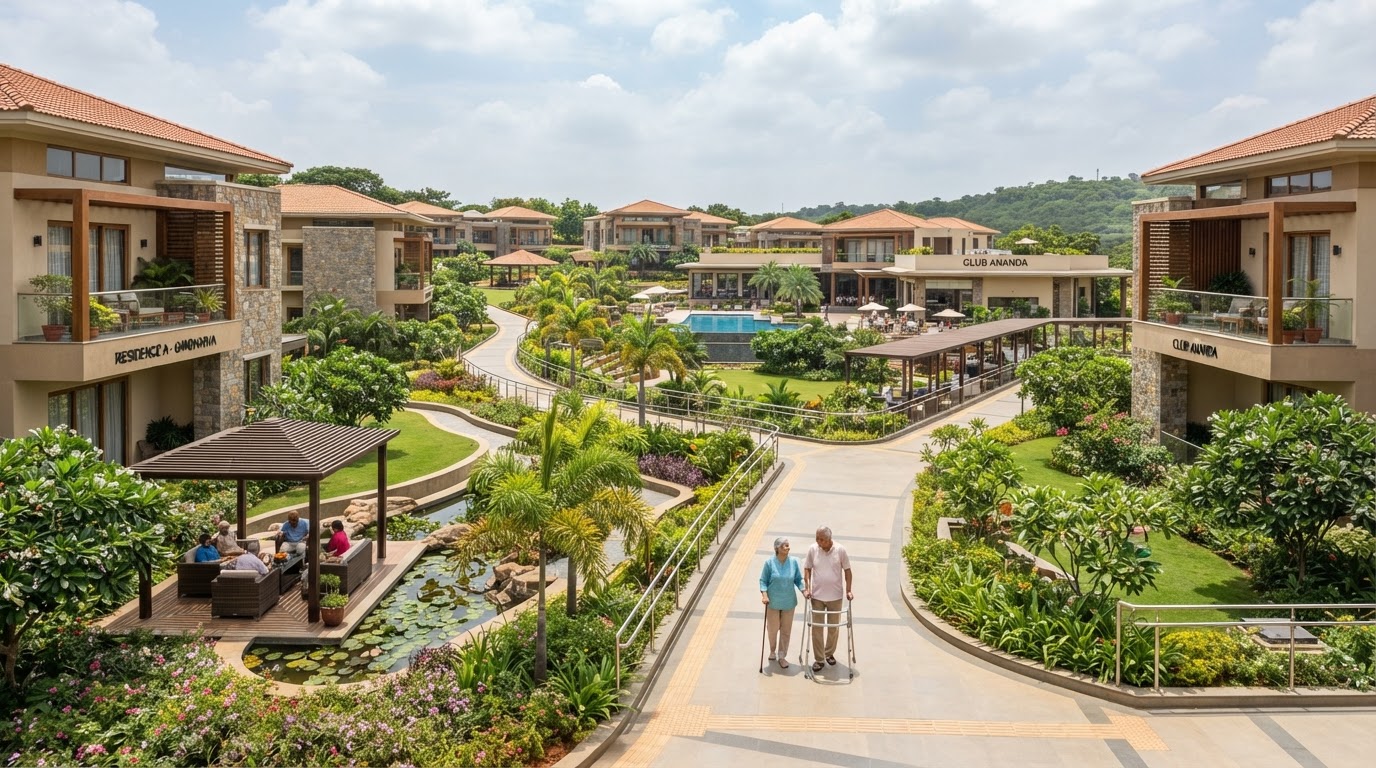
Senior Living Communities: The Demographic-Driven Segment
India's senior population is growing rapidly, creating demand for dedicated senior living communities. We analyze the investment opportunity.
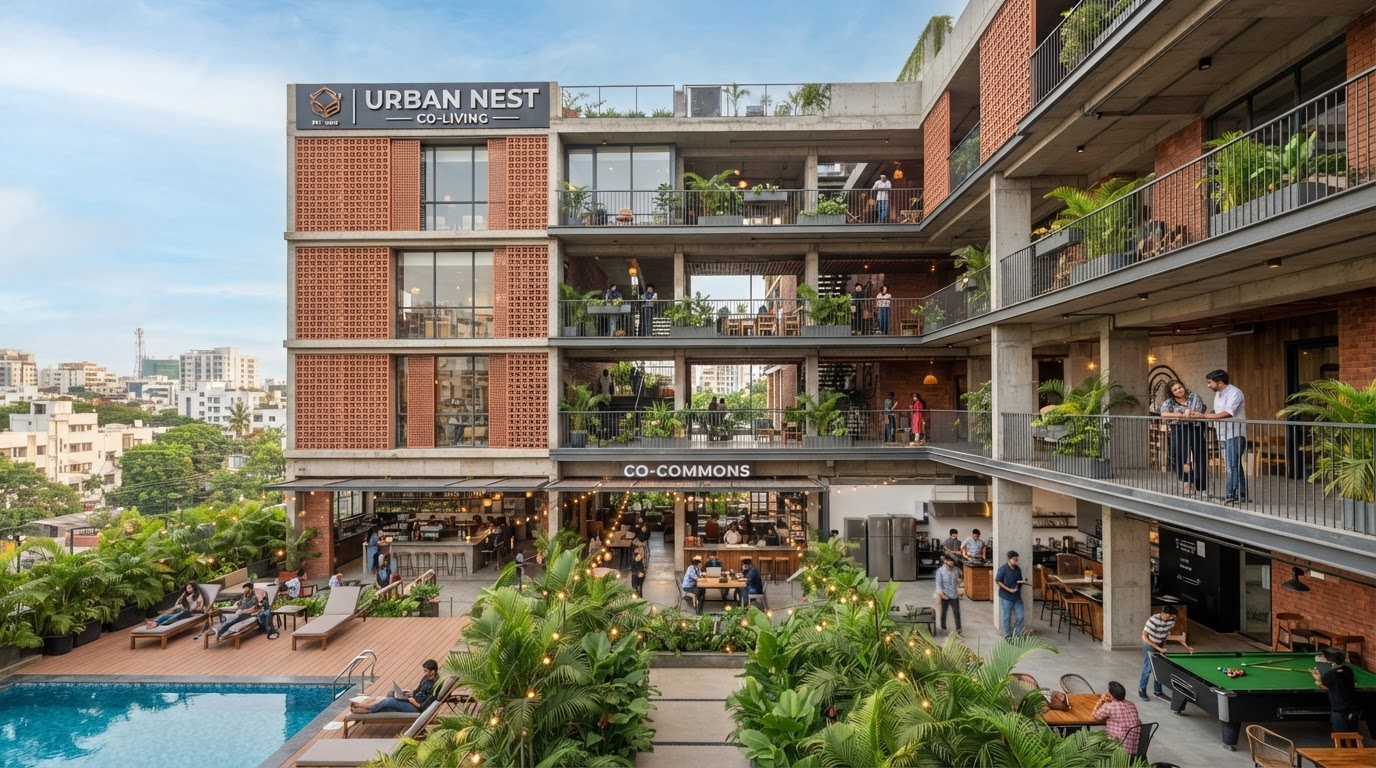
Co-Living Spaces: The Affordable Urban Model
Co-living is reshaping urban rental housing for young professionals. We analyze the investment profile and whether it's a sustainable yield play.