
Senior Living Communities: The Demographic-Driven Segment
India's senior population is growing rapidly, creating demand for dedicated senior living communities. We analyze the investment opportunity.
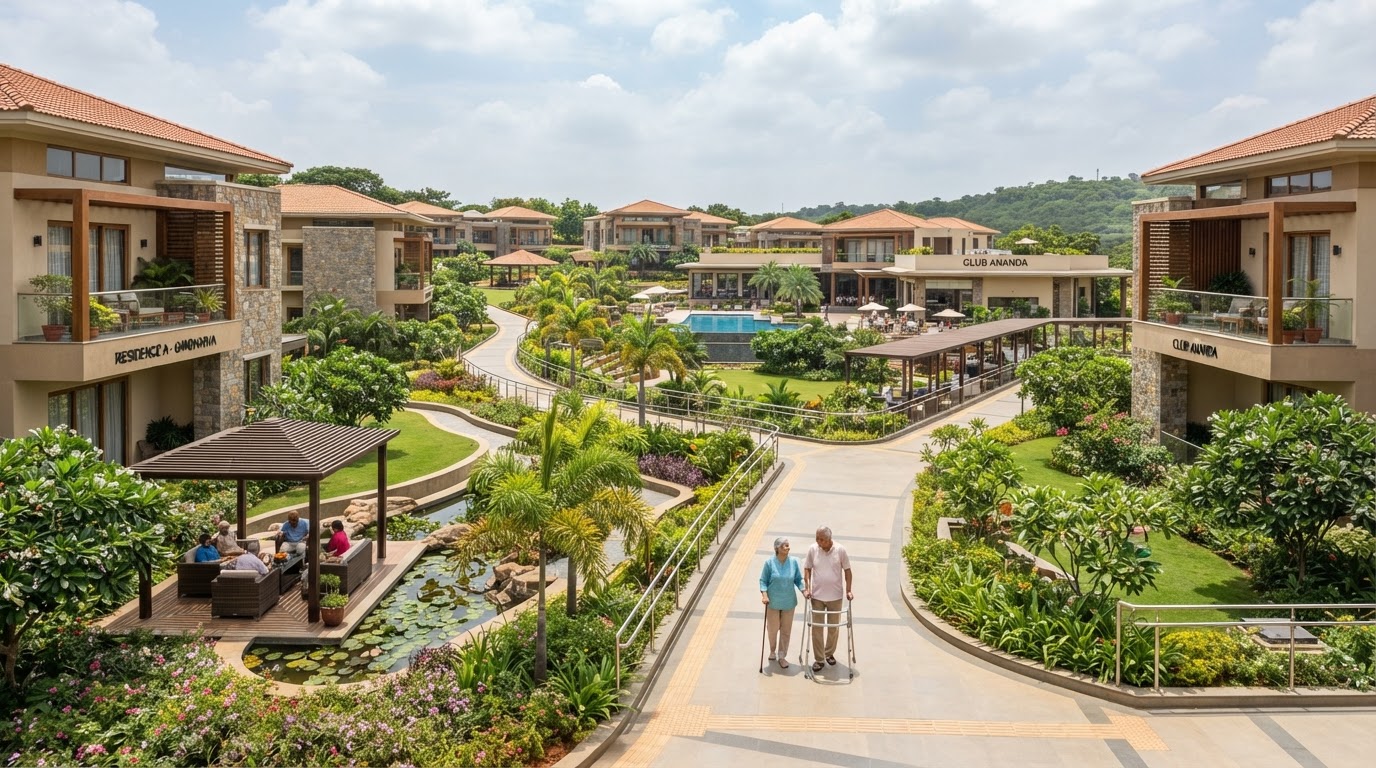
Senior living communities — residential developments designed for retirees and seniors, with accessibility features, healthcare, and lifestyle amenities — are an emerging real estate segment driven by India's demographic shift. For investors, senior living offers a counter-cyclical demand profile and a growing market with limited supply.
The demographic driver:
India's senior population (60+ years) is growing rapidly. From approximately 140 million in 2024, it's expected to reach 300+ million by 2050 — a 110% increase. The drivers are increasing life expectancy (from 68 in 2010 to 73 in 2024, projected to reach 78 by 2035) and the aging of the post-independence baby boom generation.
This demographic shift is creating demand for dedicated senior living communities, as the traditional joint family structure (where seniors live with their children) is weakening due to urbanization, nuclear families, and NRI children.
The senior living product:
Senior living communities are designed specifically for seniors, with:
1. Accessibility: Step-free design, wider doors, grab bars, non-slip flooring, and elevator access. The units are designed for aging-in-place, allowing seniors to live independently as long as possible.
2. Healthcare: On-site medical facilities, visiting doctors, emergency response systems, and tie-ups with nearby hospitals. Healthcare is the primary differentiator from regular residential.
3. Lifestyle amenities: Clubhouses, gardens, walking tracks, yoga/meditation rooms, and social/activity spaces designed for senior preferences.
4. Services: Housekeeping, dining, laundry, and concierge services, reducing the daily burden on seniors.
5. Community: A community of peers, with organized social activities, reducing isolation and loneliness.
The market:
The senior living market in India is currently small — approximately 20,000–30,000 units across all projects — but is growing rapidly. The key developers: Ashiana Housing (the pioneer, with projects in Bhiwadi, Jaipur, Lavasa), CovaiCare (Coimbatore), and Tata Housing (Tata Riva, Bangalore).
The key markets are tier-2 cities and suburban locations with a pleasant climate, lower cost of living, and good healthcare infrastructure: - Coimbatore, Bangalore (Whitefield, Sarjapur), Pune (Baner, Bavdhan) - Jaipur, Dehradun, Goa (for lifestyle-driven senior living) - Bhiwadi, Neemrana (NCR periphery, for NCR-based seniors)
The investment profile:
1. Counter-cyclical demand: Senior living demand is driven by demographics, not by the economic cycle. This makes it a counter-cyclical allocation that is resilient to economic downturns.
2. Stable yield: Senior living units generate stable rental yield (3–4%) from long-term residents, with low vacancy (the demand exceeds the supply).
3. Capital appreciation: The appreciation is moderate (8–12% annually), driven by the growing demand and the limited supply. The appreciation is slower than mainstream residential but more stable.
4. Social impact: Senior living has a social impact dimension — providing quality housing and care for seniors. For impact-focused investors, this is a positive.
The risks:
1. Limited liquidity: The senior living market is small, and the buyer pool is narrow (seniors or their children). Exit can take 6–12 months.
2. Operating complexity: Senior living requires specialized management (healthcare, services, community). The operating cost is higher than regular residential, and the management quality is critical to the community's viability.
3. Regulatory: Senior living is not a formally regulated segment (no specific RERA category). The regulatory framework is evolving, and investors should verify the developer's commitments on healthcare and services.
4. Location risk: Senior living is location-dependent — the climate, healthcare infrastructure, and proximity to the residents' families are critical. A poorly located senior living project will struggle.
The investment routes:
1. Direct purchase: Buy a unit in a senior living community for own use (retirement) or for investment (rental yield). Ticket size: ₹40 lakh–1.5 Cr.
2. Developer equity: Invest in senior living developers (Ashiana, CovaiCare) via equity, for exposure to the segment's growth.
Our view: senior living is a legitimate, growing segment with a counter-cyclical demand profile. For investors seeking stable yield and diversification, senior living offers a unique profile. The key is selecting projects from credible developers (Ashiana, Tata) in well-located markets (Coimbatore, Bangalore, Pune) with strong healthcare tie-ups. The segment is best suited for investors with a longer horizon and a tolerance for lower liquidity, or for investors planning their own retirement housing.
Want these insights delivered before anyone else?
Join our confidential investor briefing — subvention alerts, off-market deals and market intelligence, first.
More from Sustainable & Future Trends
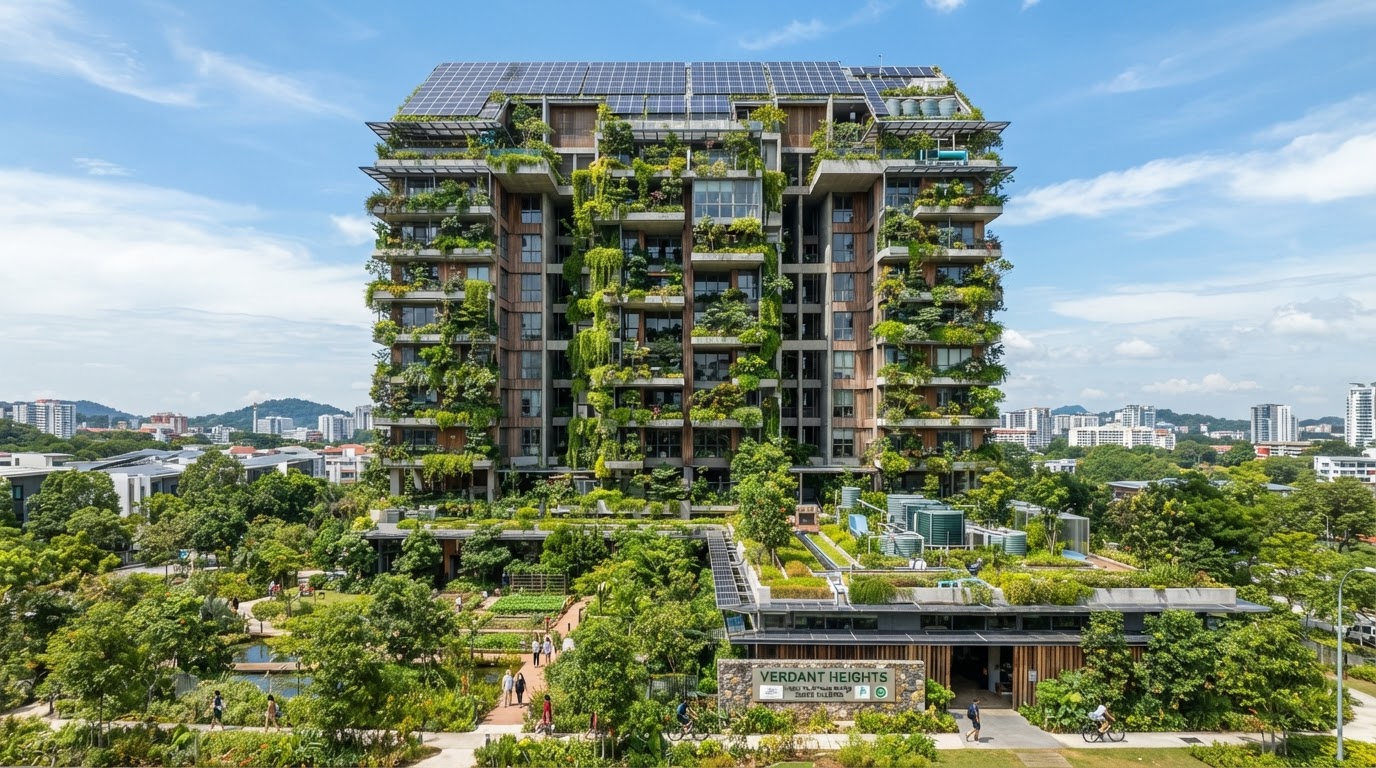
Green Building Certification (IGBC/GRIHA): The Premium Driver
IGBC and GRIHA certified buildings command a 5–10% pricing premium and higher rental yields. We analyze the green building investment case.

EV Charging in Residential Complexes: The New Amenity
EV charging is becoming a must-have amenity in premium residential complexes. We analyze the impact on property value and the investment case.
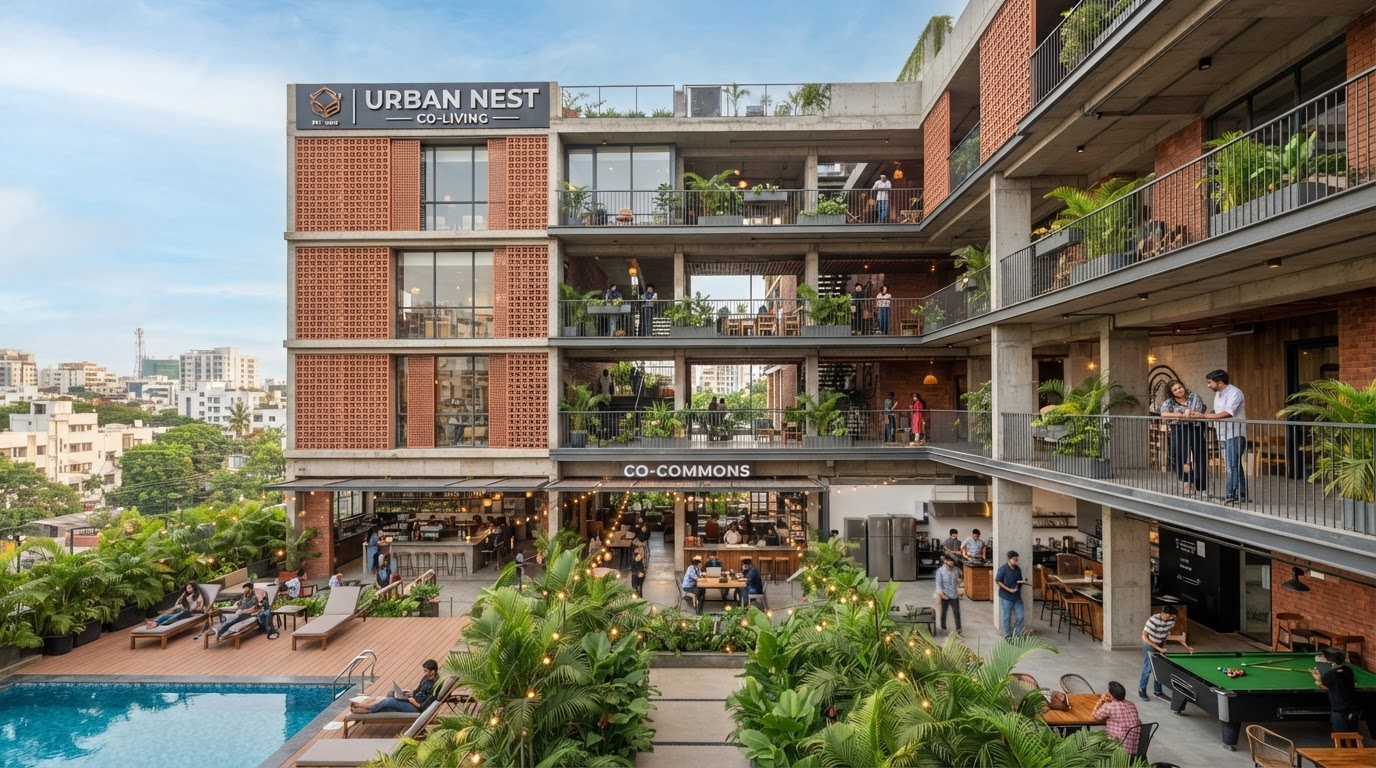
Co-Living Spaces: The Affordable Urban Model
Co-living is reshaping urban rental housing for young professionals. We analyze the investment profile and whether it's a sustainable yield play.